Waste Oil Contamination: How It Affects Cost and Recovery
28 October 2026 by CSG
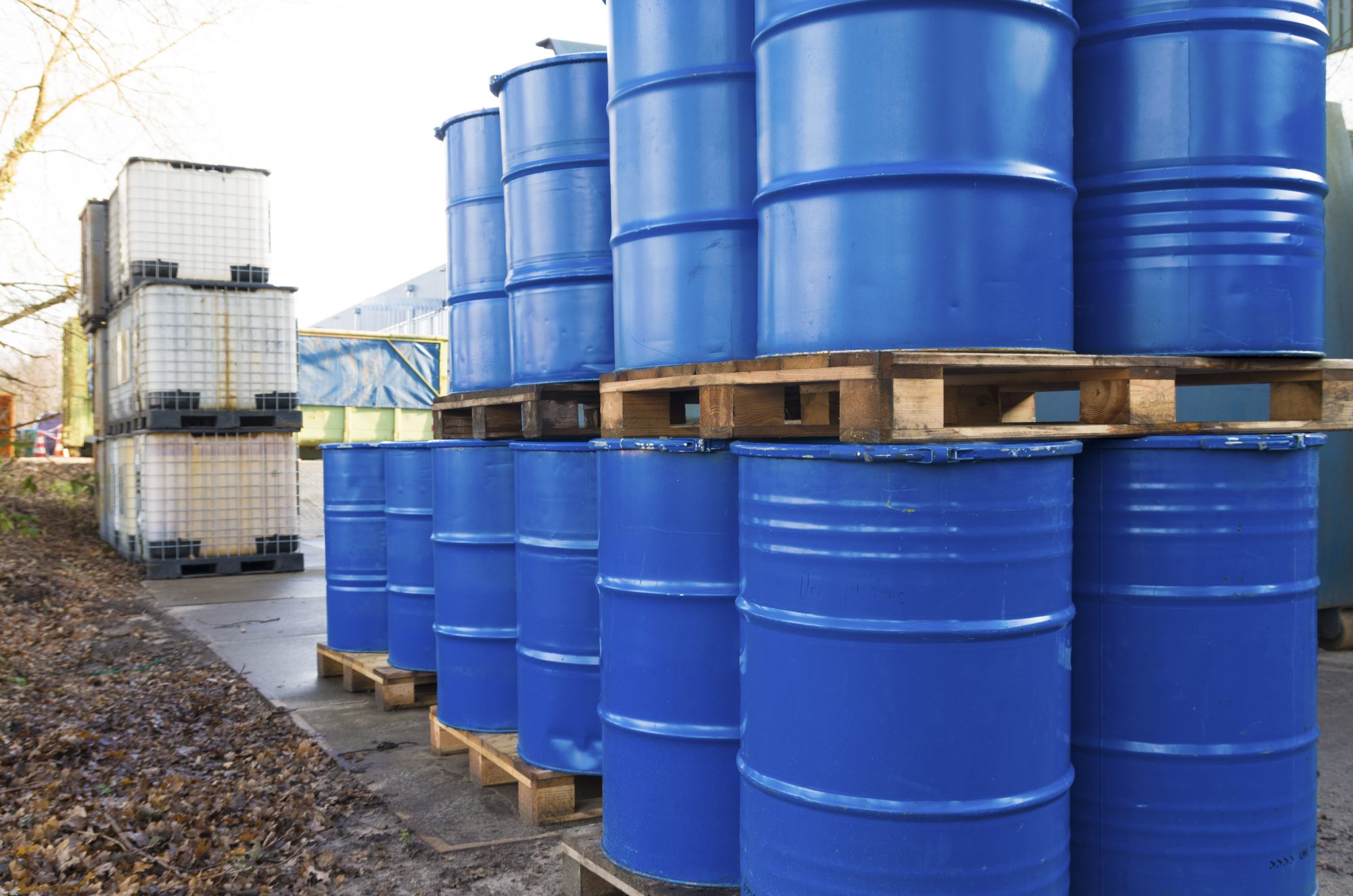
A container labelled “waste oil” tells only part of the story.
What type of oil does it contain? Has it picked up water, solvents or cleaning chemicals? The answers influence how it can be handled, what can be recovered and how much waste oil disposal may cost.
Waste oil isn’t one uniform waste stream
Businesses produce many types of waste oil, including lubricating oil from engines, hydraulic oil from machinery, fuel oil, soluble cutting oils and oil and water mixtures.
Each has a different composition. Soluble cutting oils, for example, are commonly mixed with water for use in machining. Their water content is part of the process, rather than evidence of poor storage.
Understanding where the waste comes from helps identify an appropriate treatment route. Two containers holding the same volume may need very different approaches.
How contamination changes classification and treatment
Oil can collect contaminants during normal use, including metal particles and process residues. Further contamination can happen during storage, through rainwater entering an uncovered container or someone adding solvents, antifreeze or cleaning chemicals.
These additions can change the waste’s hazardous properties, classification and handling requirements. Used engine and hydraulic oils are generally already hazardous waste and contamination can introduce additional hazards. Accurate classification is needed before collection, recovery or disposal.
Knowing the source and contents helps the treatment facility assess suitability. Where the composition is uncertain, sampling and analysis may be needed before a route can be agreed.
Why contamination affects cost and recovery value
Additional water means more liquid to transport and treat without increasing the amount of recoverable oil. Solvents, chemicals and solids may require further processing or restrict which facilities can accept the waste.
Testing, separation and managing the remaining residues can therefore increase costs. Mixing can also remove recovery options that were available to the original waste streams.
However, contamination does not automatically make oil unrecoverable. Specialist oil and water treatment can separate suitable mixtures and recover oil wherever possible.
Equally, not every waste oil has a resale value. Its composition, quantity and collection arrangements all influence the commercial outcome.
How to prevent avoidable waste oil contamination
Good waste management starts where the oil is produced:
- Identify and label each stream, including its source and known contents.
- Keep different streams separate. Seek specialist advice before combining oils – hazardous waste mixing is subject to legal controls.
- Use suitable, securely closed containers with appropriate secondary containment.
- Prevent rainwater ingress by checking lids, covers and container condition.
- Use dedicated transfer equipment to avoid introducing other liquids.
- Record what enters each container and report accidental additions promptly.
These steps help keep your waste oil suitable for recovery and give your collector the information needed to plan treatment.
Get advice before mixing waste oils
Planning a waste oil collection? Tell CSG the oil’s source, estimated quantity, storage arrangements and known contaminants. Our team can advise on collection and the appropriate treatment options.
