Rethink needed over UK’s hazardous waste future
07 September 2026 by CSG

First published by Skip & Waste
Jen Richards – Managing Director of leading waste management specialist CSG
Hazardous waste incineration – three unpopular words in their own right, and even more so when put together.
Yet this subject needs some honest conversations about how the UK can achieve sufficient capacity of hazardous waste incineration to meet our requirements, without relying on shipping waste abroad.
In the last two decades that I have worked in this industry there has been a significant focus on moving hazardous waste out of landfill, with the end of co-disposal and the introduction of the waste acceptance criteria limiting what hazardous wastes can be landfilled.
But over the same period there have been no regulatory incentives to provide an alternative solution. As a result, in 2024 53,000 tonnes of hazardous waste was exported to Europe for waste to energy.
In tonnage terms, these hazardous waste exports may appear marginal. In economic terms, they are not. These materials are closely tied to the UK’s most productive and strategically important sectors and often represent waste streams for which there are few viable treatment alternatives further up the waste hierarchy.
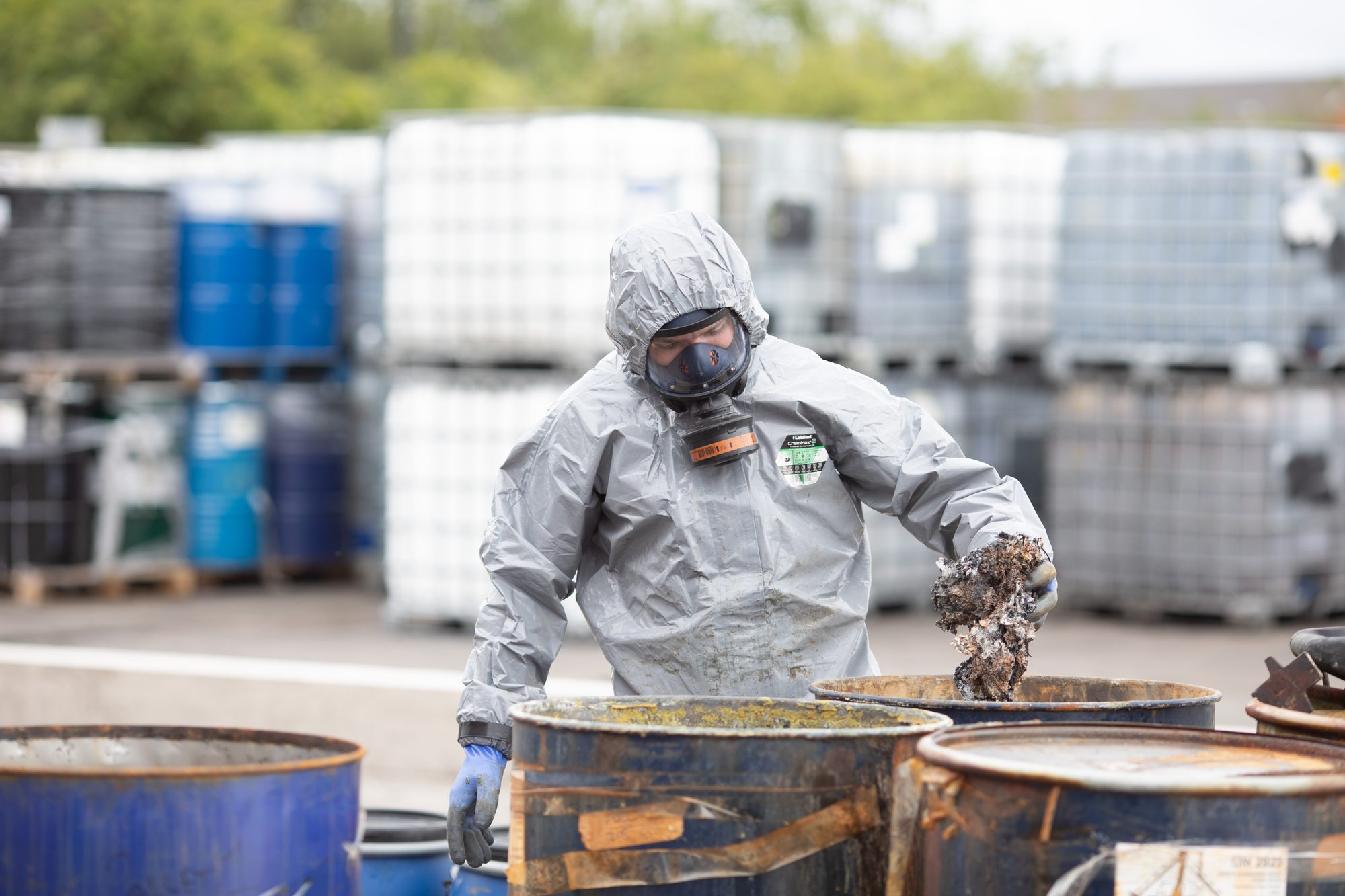
The reason that Europe has spare capacity and the UK is under resourced is that policy makers have supported the building of this infrastructure across Europe, while the UK Government has stepped back and left this to commercial enterprises.
This plan, if indeed it was a carefully thought out plan, may have worked had this been combined with a clear regulatory framework to support investment in the UK. Unfortunately, this has not been the case.
In countries such as Germany, Netherlands, Belgium, Denmark and Austria, stricter enforcement of landfill bans on hazardous wastes, combined with very high landfill taxes and a planning system that actively favoured thermal treatment over landfill, left incineration as the only compliant option for many hazardous streams.
Many European hazardous incinerators are combined within chemical manufacturing sites and recovered heat and steam are seen as an asset to be valued. This aligns with EU circular economy and security‑of‑supply thinking, whereas the UK has typically treated hazardous waste as a disposal problem, not an integral part of the industrial system.
The UK built few stand‑alone incinerators, and those that were built were mostly unsuitable for hazardous waste, instead relying on export to EU facilities when treatment was unavailable domestically.
Brexit has further exposed this dependency, leaving the UK reliant on access to European treatment capacity with limited control over availability, cost, or regulatory conditions.
Public and political opposition to incineration in the UK has intensified in recent years, particularly in relation to municipal energy-from-waste facilities. This has created a challenging environment for the development of new thermal treatment infrastructure.
Some of this opposition is driven by concerns that incineration may discourage recycling and undermine efforts to keep materials in use. This argument is often made in the context of household waste, where it may have merit.
However, hazardous waste incineration works to strict acceptance criteria. Only wastes with a suitable calorific value and limited alternative processing routes are accepted. As a result, it plays a necessary role where prevention and recycling are not technically feasible.
There is a clear contradiction at the heart of current policy. The UK is actively promoting manufacturing in sectors such as offshore wind, yet the production of turbine components generates hazardous waste streams – including resins, oils and contaminated materials – that require incineration. It is not credible to support one without planning for the other.
Waste management is an essential consideration for any new venture. What international manufacturer would choose to set up in the UK if their waste can’t be easily – and sustainably – dealt with?
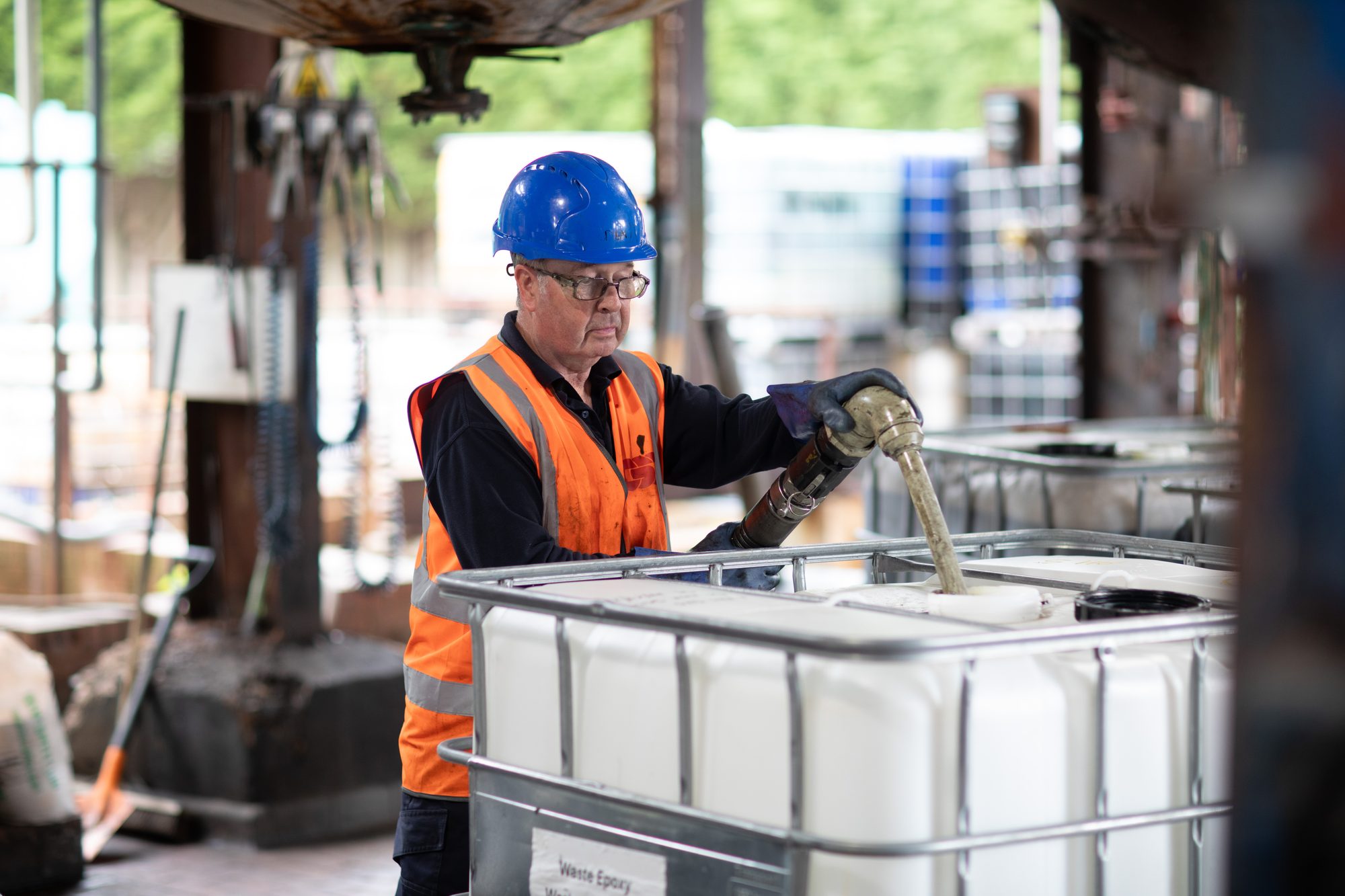
The solution to this growing problem is relatively simple: we need the Government to actively support new, high-capacity energy from hazardous waste facilities in the UK so that these difficult materials can be dealt with effectively and responsibly within our own country.
Just like other areas of the country’s essential infrastructure, there is a need for the UK to become more self-sufficient since we cannot be sure what the future holds. Continued reliance on external treatment capacity leaves the UK exposed to tightening availability, rising costs, and increasing regulatory complexity. These factors can disrupt waste management operations and add friction to industrial activity, potentially impacting our productivity as a country.
Energy recovery is the responsible, most environmentally-friendly solution for the high calorific hazardous waste – including solvents, paints, resins, adhesives and oils – this country creates in abundance.
It’s time for the Government to give clarity over future plans for hazardous waste. We need guidance that says in the right circumstances and in the right location, energy recovery by incineration will be actively encouraged.
Will it continue to be someone else’s problem for decades to come, or is it time for the UK to become a leader in energy from waste technology?