Storage Tank Testing: Why Regular Inspections Matter
17 June 2026 by CSG
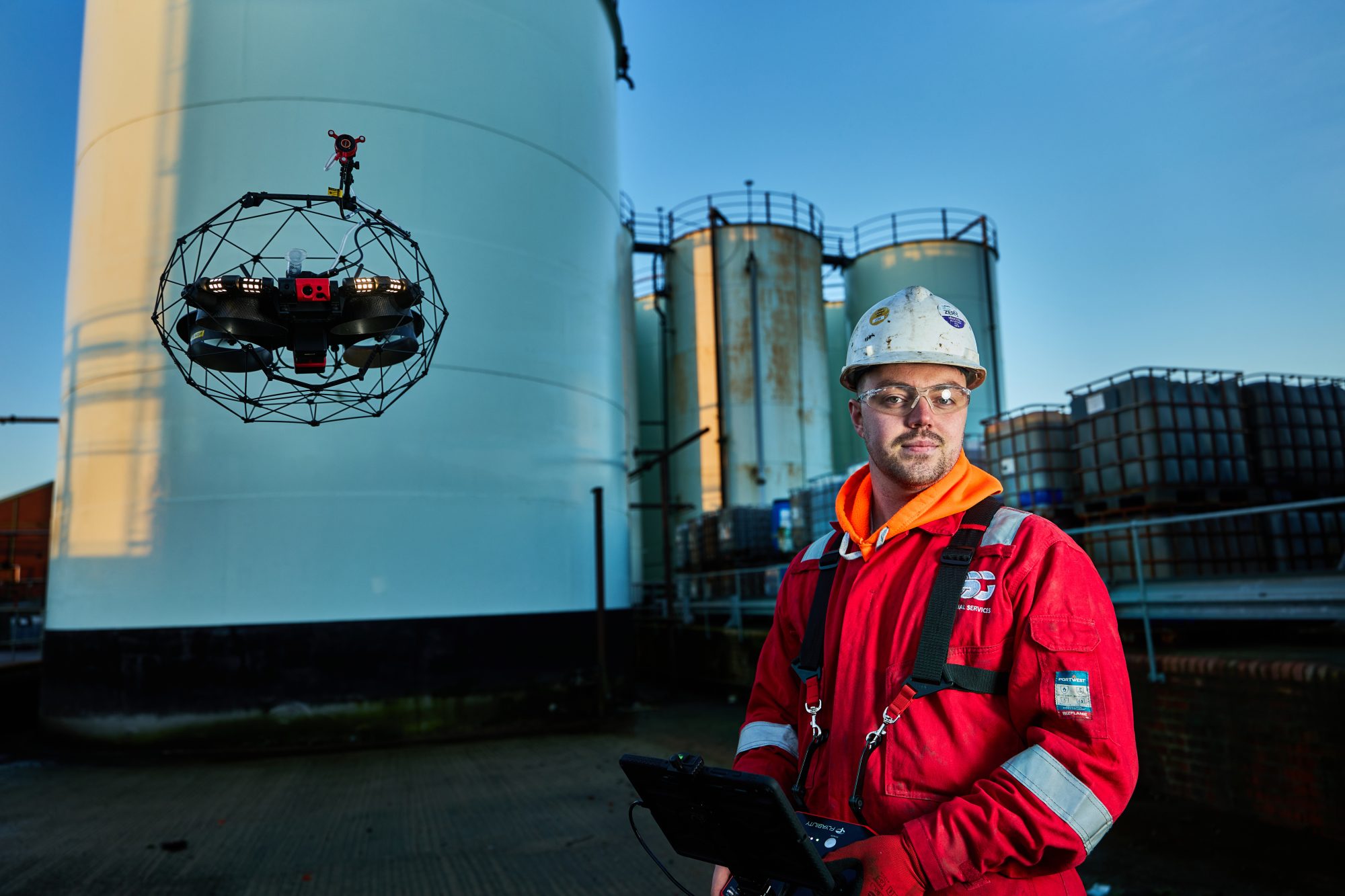
Storage tanks are a key part of many commercial and industrial sites. Whether vertical, horizontal, above or below ground, storage tanks are fundamental to daily operations, often storing flammable and/or toxic liquids.
Storage tanks are prone to corrosion and mechanical damage etc. and can fail in service with serious consequences for personnel and the environment.
A recent Health and Safety Executive prosecution showed just how badly things can go wrong. A company was fined £350,000 after a 700 tonne chemical storage tank collapsed, leaving a worker with life changing injuries. The HSE investigation found that the collapse was foreseeable and preventable.
It is a stark reminder that tank testing is not just a compliance exercise. Regular tank inspections help businesses understand the condition of their assets, manage risk and take action before corrosion or structural weakness becomes a much bigger problem.
What is tank testing?
Tank testing is the inspection and assessment of a storage tank to check whether it remains safe, structurally sound and suitable for continued use.
A professional tank inspection will usually look at the overall condition of the tank, including its shell, roof, floor, seams, and any signs of corrosion or damage.
The aim is to identify issues early, understand the expected life span of the tank and advise on any remedial work, monitoring or maintenance required.
Why tank testing is important
Storage tanks are often exposed to harsh conditions. Weather, aggressive chemicals, age and general wear and tear can all affect their condition over time.
In the HSE case, the bolted steel tank was holding calcium chloride solution. Investigators found that corrosion had reduced part of the steel plate from its original thickness of 5.5mm down to just 1mm. When the tank was filled to capacity, the weakened structure could no longer withstand the force of the liquid inside.
That example may be extreme, but the principle applies to many storage tanks. Once corrosion or structural issues are there, the risk does not go away on its own.
In many cases, preventative inspection is far more cost effective than dealing with a clean-up operation, enforcement action or replacement project.
How drone tank inspections can help
CSG has invested in advanced drone inspection technology to make storage tank inspection and testing safer, faster and more efficient.
Ultrasonic thickness testing (UT) and Detailed Visual Inspection (DVI) of the external and internal tank roof, vapour space and upper internal shell and other difficult to access surfaces without the need for expensive and time-consuming scaffolding, access platforms etc. and minimal confined space entry.
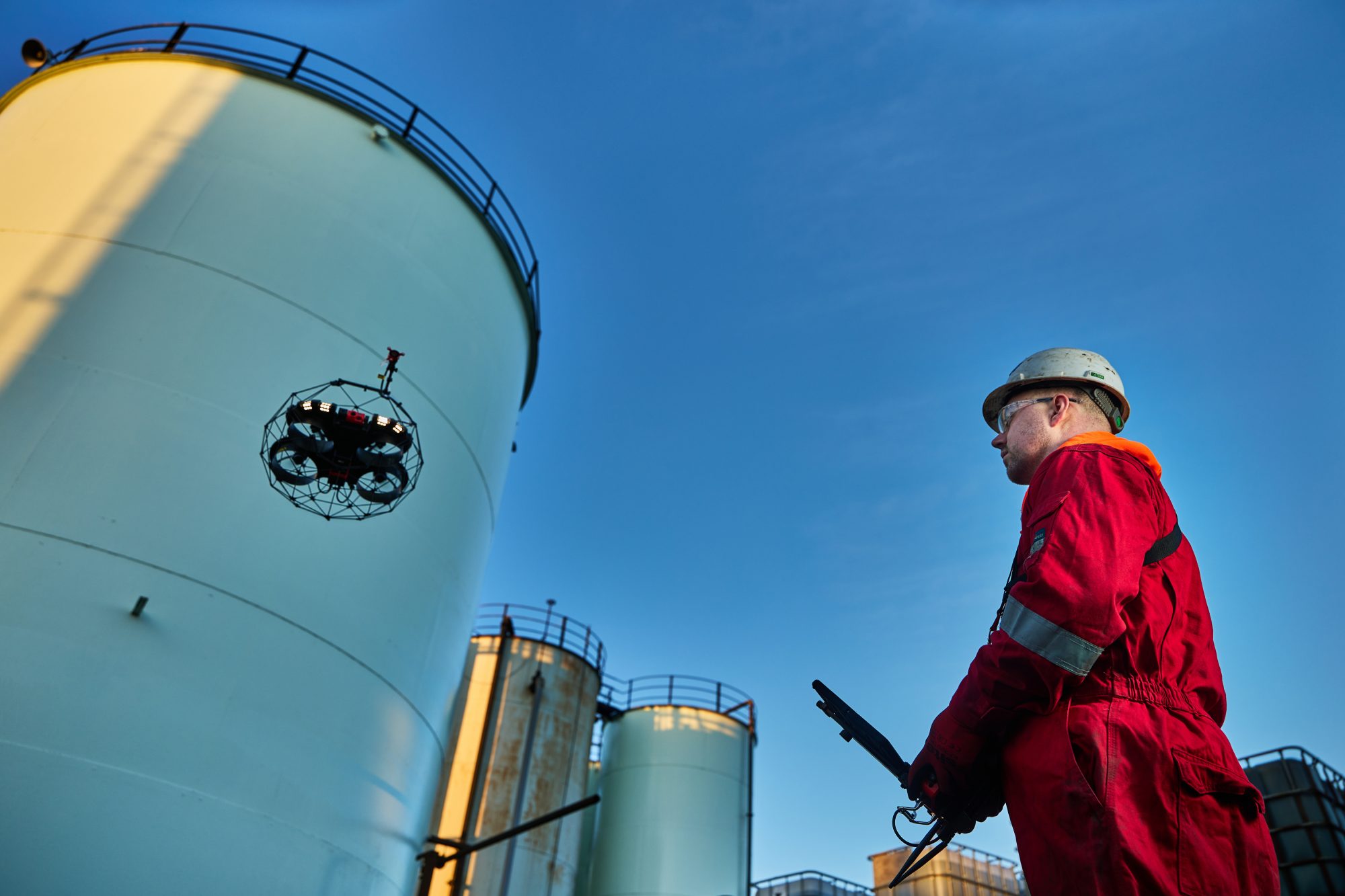
Using HD cameras, LIDAR sensors and 3D imaging, the drone can help create a detailed picture of the tank’s condition. This allows inspection teams to review internal and external surfaces, identify areas of concern and support more informed recommendations.

This technology is especially useful for large fuel storage tanks, where access costs can be significant before inspection work even begins. By reducing these access requirements, drone inspections can help minimise disruption, improve safety and help to protect your company’s insurance.
CSG’s all in one service
CSG offer certified storage tank inspections with an in house EEMUA 159 Storage Tank Assessor.
EEMUA 159 is widely recognised within the industry for the inspection, maintenance and repair of storage tanks. Having this capability in house means CSG can provide customers with a more complete tank testing service, supported by an experienced confined space team.
CSG’s team is already highly experienced in tank cleaning, waste tankering, waste treatment and the management of storage tanks. Bringing certified assessment into the service allows more of the process to be handled under one roof.
This is important because tank testing is rarely just about the inspection itself.
Before a tank can be inspected, it may need to be emptied, cleaned and made safe. Any residues, sludge, contaminated water or product waste must be removed, transported and treated correctly. After the inspection, customers may also need practical recommendations, waste management support or follow on works.
CSG can support the full process by providing tank testing and drone supported inspection, removing waste using our own vehicles and treating suitable wastes through our permitted waste treatment facilities. This joined up approach can help reduce supplier management, improve efficiency and keep the process moving from inspection through to waste removal and treatment.
How often should storage tanks be tested?
Storage tanks typically require inspection every three to five years, although the correct frequency will depend on the tank, its contents, age, condition, location and risk profile.
Higher risk tanks, older tanks or tanks storing hazardous products may need more frequent inspections. Manufacturer guidance, regulatory requirements and site-specific risk assessments should also be considered.
The key point is that tank inspections should be planned, recorded and acted upon. If corrosion or damage has already been identified, it should not simply be left until the next inspection cycle.
Signs your tank may need attention
Here are some visual inspections you can do, even if a routine inspection is not yet due:
- Visible corrosion or rusting
- Leaks, staining or damp patches around the tank
- Damaged coatings
- Distorted, dented or weakened sections
- Issues with pipework, valves or fittings
- Unusual odours
- Product loss or reduced performance
- Ageing tanks with limited inspection history
If any of these signs are present, arranging a professional tank inspection can help determine the level of risk and what action is needed.
Final thoughts
Storage tank testing plays an important role in protecting people, sites and the environment.
The consequences of poor maintenance can be serious, from pollution to serious injury and prosecution. Regular tank inspections help businesses identify problems early and make informed decisions about maintenance, repair or replacement.
With certified tank testing, drone inspection technology, tank cleaning, tankering and waste treatment capabilities, CSG can support customers with a complete storage solutions service from start to finish.
If you need advice on storage tank testing, tank inspections, tank cleaning or waste removal, contact CSG today to speak to our team.