Fuel & Oil Interceptor Care Guide
28 April 2026 by CSG
What is an interceptor?
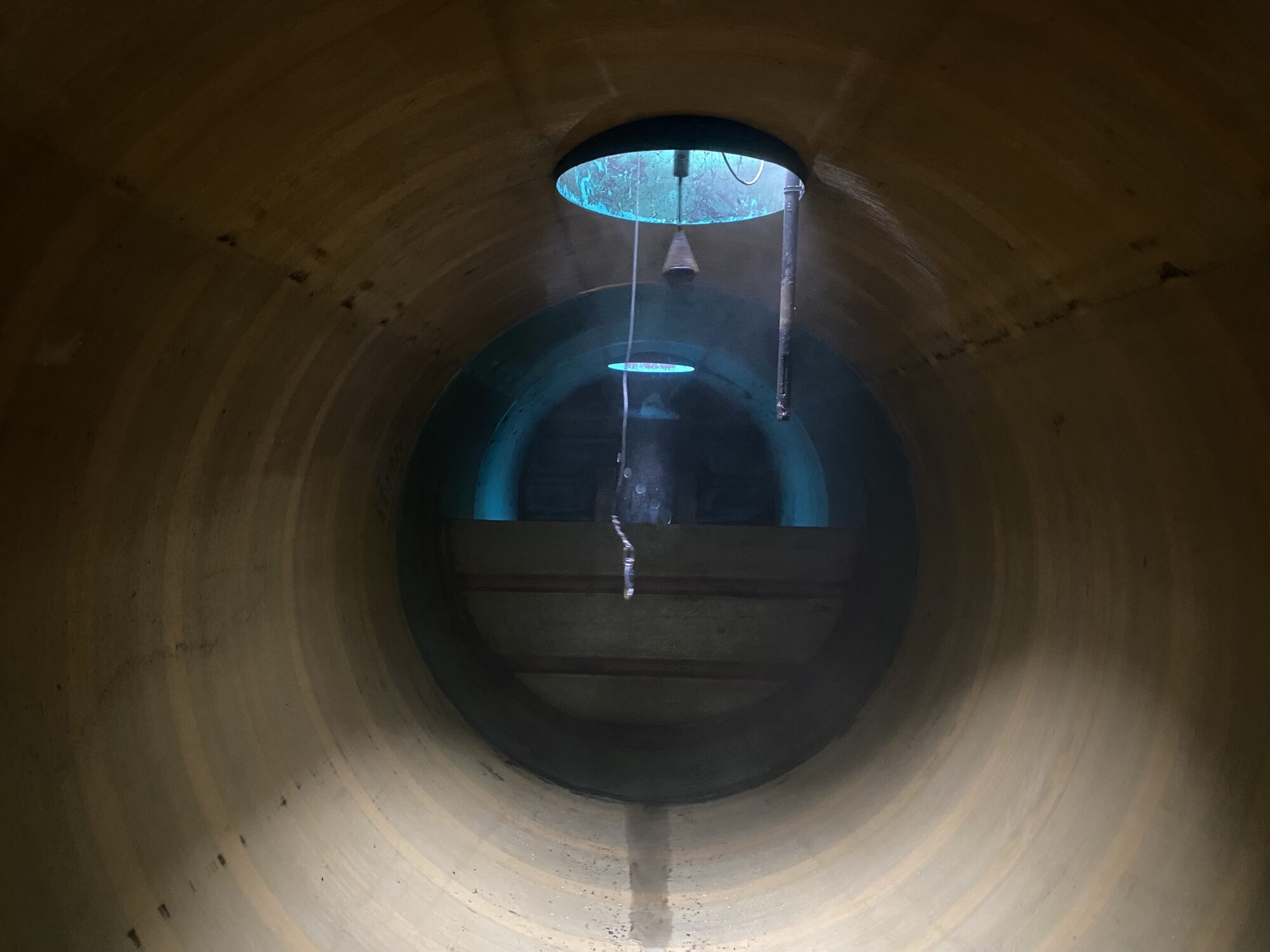
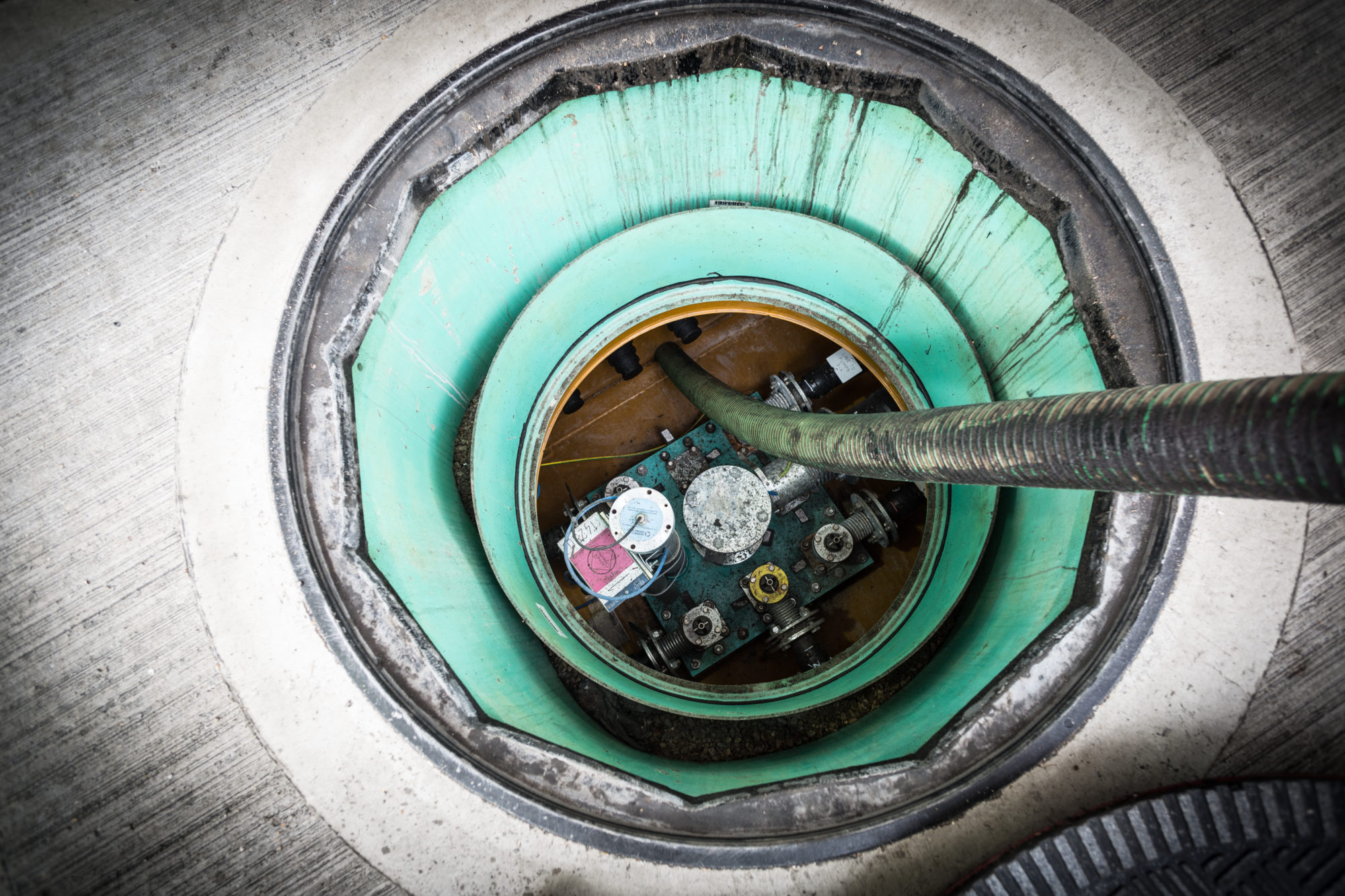
Fuel and oil interceptors (also known as oil separators) are drainage systems commonly found at commercial and industrial sites. They prevent oil contaminants from polluting the environment or discharging into the sewer.
They are designed to separate oil from water and collect it for safe removal, helping protect groundwater and drainage infrastructure.
You can find them in:
- Car parks
- Car washes
- Petrol station forecourts
- Construction sites
- Factories
- Vehicle maintenance areas
Pretty much anywhere oil or fuel spillage is likely to occur!
Why take notice of them?
Interceptors are often overlooked but are a vital part of site infrastructure.
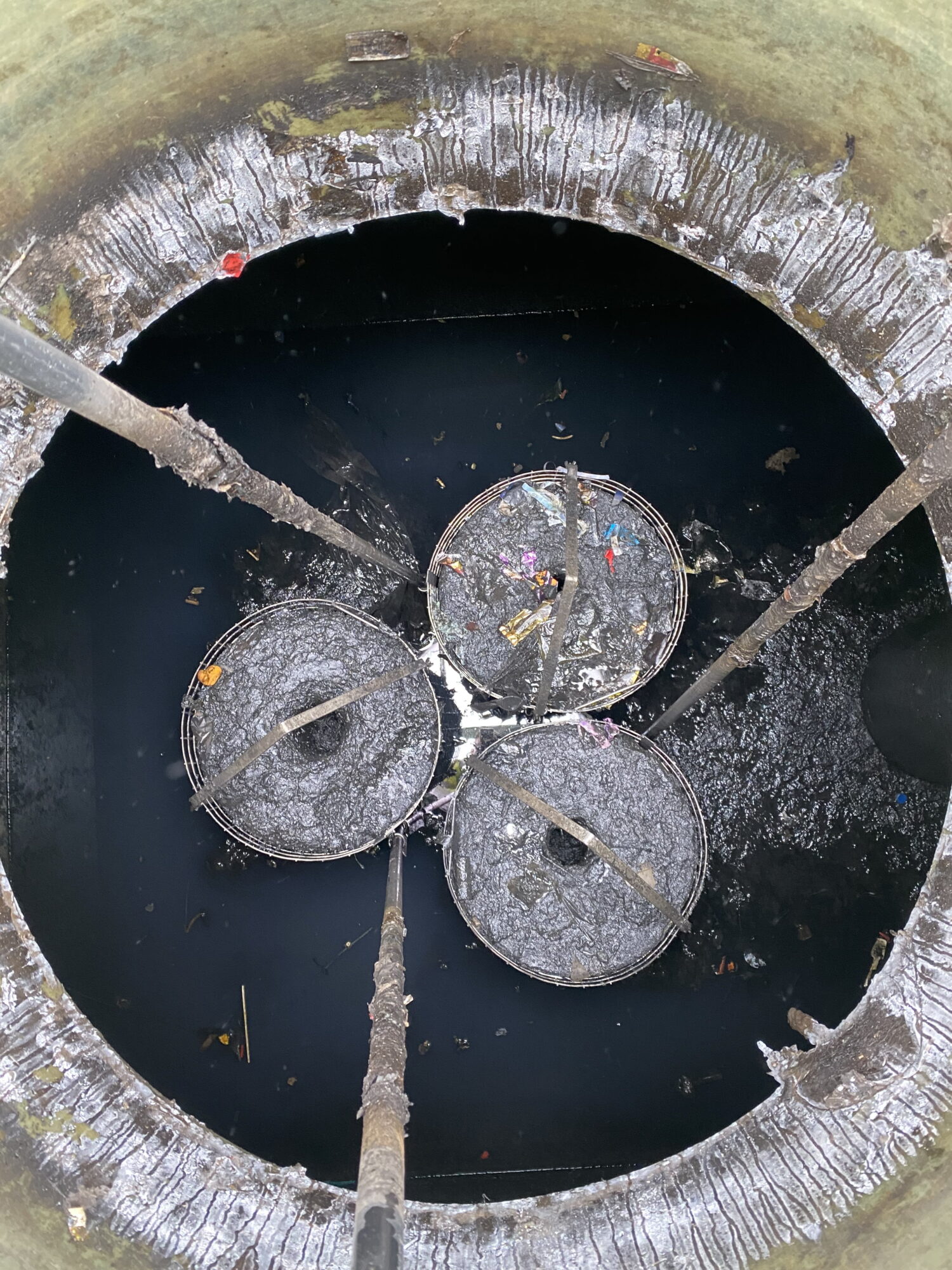
Failure to maintain them properly can result in:
- Environmental pollution
- Enforcement action and potential prosecution
- Significant fines (including unlimited for serious offences)
- Costly clean up operations and operational disruption.
- Potential impact on insurance cover
Regular inspections and maintenance help you:
- Meet environmental compliance requirements
- Reduce the risk of pollution incidents
- Protect your business reputation
- Safeguard the local environment
How do they work?
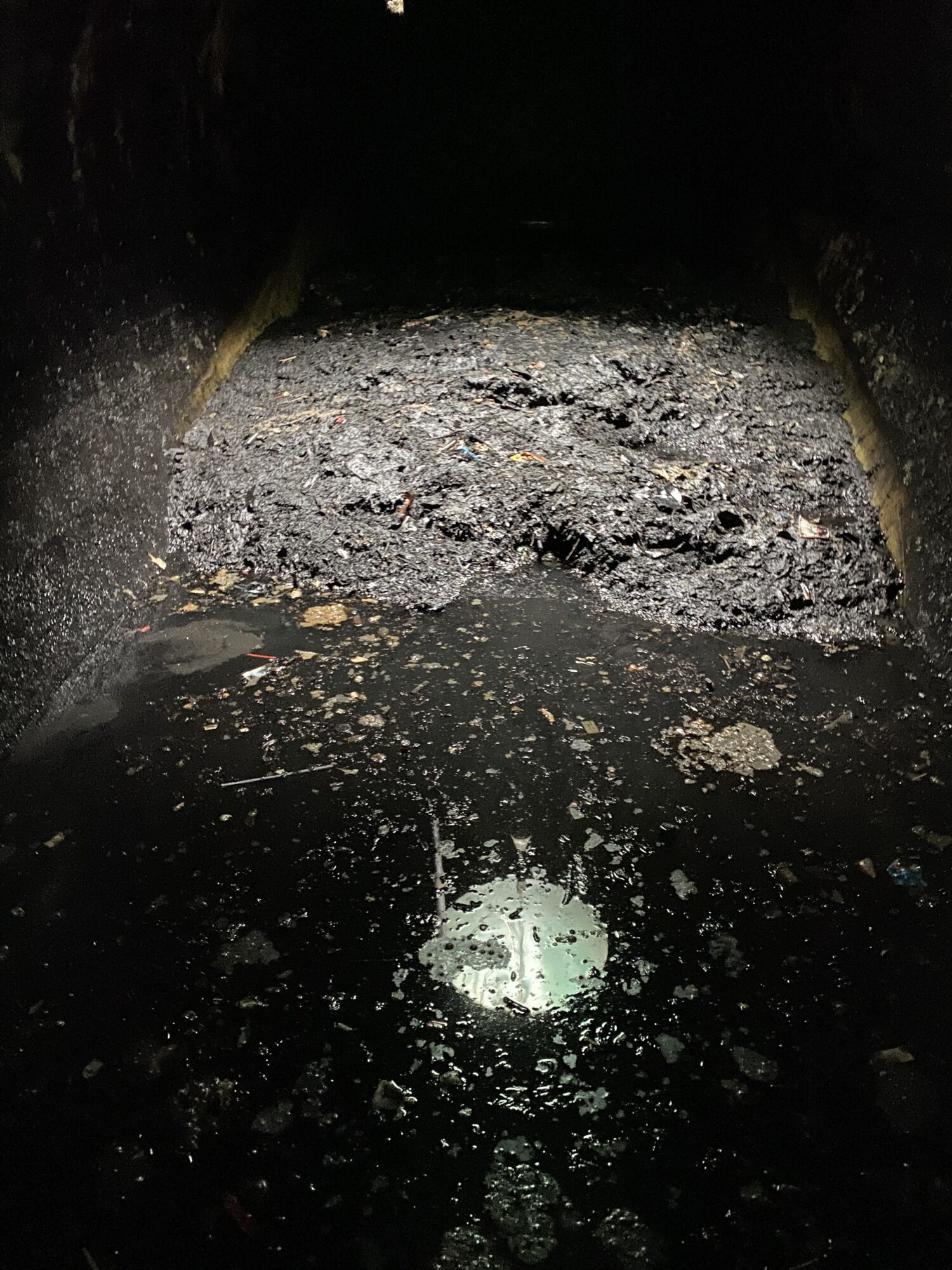
Interceptors and separators manage and separate contaminants from surface water runoff, for example by separating pollutants such as:
- Oil and fuel
- Silt and sediment
- Dirt and debris
- Brake dust and hydrocarbons
Inside the system:
- Oil floats to the surface
- Silt and solids settle at the bottom
- Cleaner water flows out to drainage systems
To be effective, interceptors must be correctly designed, installed and regularly maintained.
Interceptor inspections:
Regular inspections are essential to ensure your system is working effectively.
Best practice includes:
- Inspecting regularly (typically every 3-6 months depending on site usage)
- Monitoring oil and silt levels
- Checking chamber covers are safe and accessible
- Inspecting alarms and mechanical components
More frequent inspections may be required for high-use or high-risk sites.
Interceptor servicing:
Servicing should be carried out by competent professionals in line with manufacturer guidance.
Typical servicing includes:
- Inspecting and maintaining filters and coalescing devices
- Servicing alarms and electrical systems
- Inspecting pipework, chambers and overall system condition
⚠️ Important:
Interceptors should ideally be fitted with automatic warning devices (oil level alarms), particularly on high risk or full retention systems.
Cleaning your interceptor:
You must empty and clean your interceptor when:
- Oil or silt reaches high levels
- An alarm is triggered, when the oil reaches a predefined level
- After a spill or pollution incident
Waste from interceptors is classified as hazardous waste and must be removed and disposed of by a licensed waste carrier.
CSG tankers can:
- Remove oil, water and sludge
- Fully empty and clean the tanks
- Jet wash clear the associated drainage infrastructure
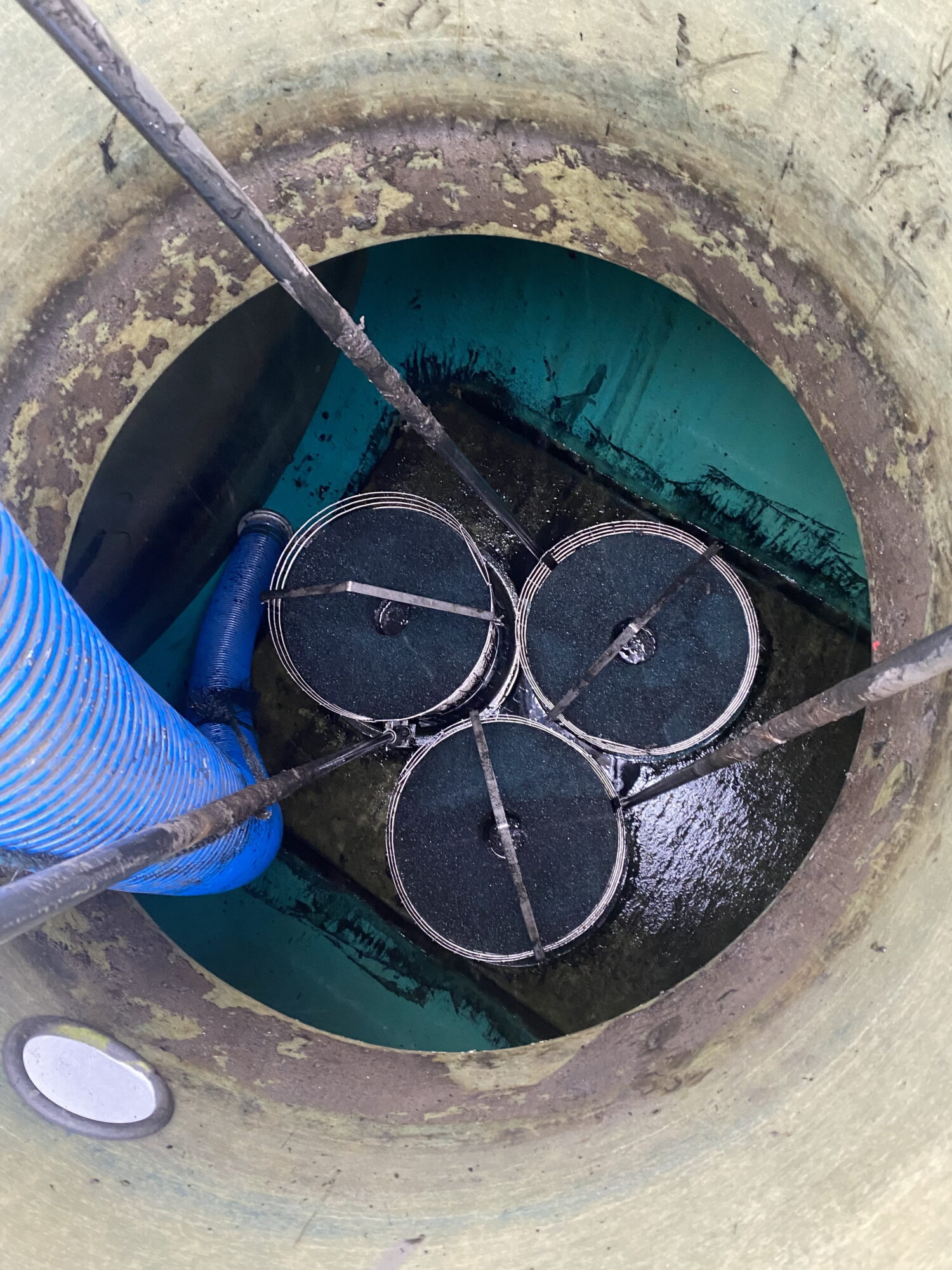
Benefits of regular cleaning and maintenance:
To remain compliant and minimise environmental risk operators should
- Carry out regular inspections and servicing
- Install and maintain alarms where required
- Carry out periodic integrity testing, commonly every 5 years or in line with the site / environmental risk assessments.
- Keep detailed maintenance and waste records
Regulators may request these records at any time to demonstrate compliance.
Benefits of regular maintenance
1. Compliance
Neglecting maintenance can lead to pollution incidents, legal action, and invalid insurance.
2. Cost Control
Preventative maintenance helps to avoid:
- Expensive emergency clean-ups
- Fines and penalties
- Increased disposal costs from excessive sludge build up
3. Pollution prevention
Interceptors play a vital role in protecting both your site and the environment but only when they are properly maintained.
Final thoughts
Interceptors are a vital part of your site’s environmental protection strategy, but only if they are properly maintained.
A proactive maintenance plan helps you:
- Stay compliant
- Avoid unexpected costs and disruption
- Protect your reputation
- Reduce environmental risk
For expert support with interceptor inspection, servicing or cleaning contact CSG on 0808 189 1416 or get in touch to discuss your requirements.