The Environmental and Safety Benefits of Proper WEEE Waste Management
24 March 2026 by CSG
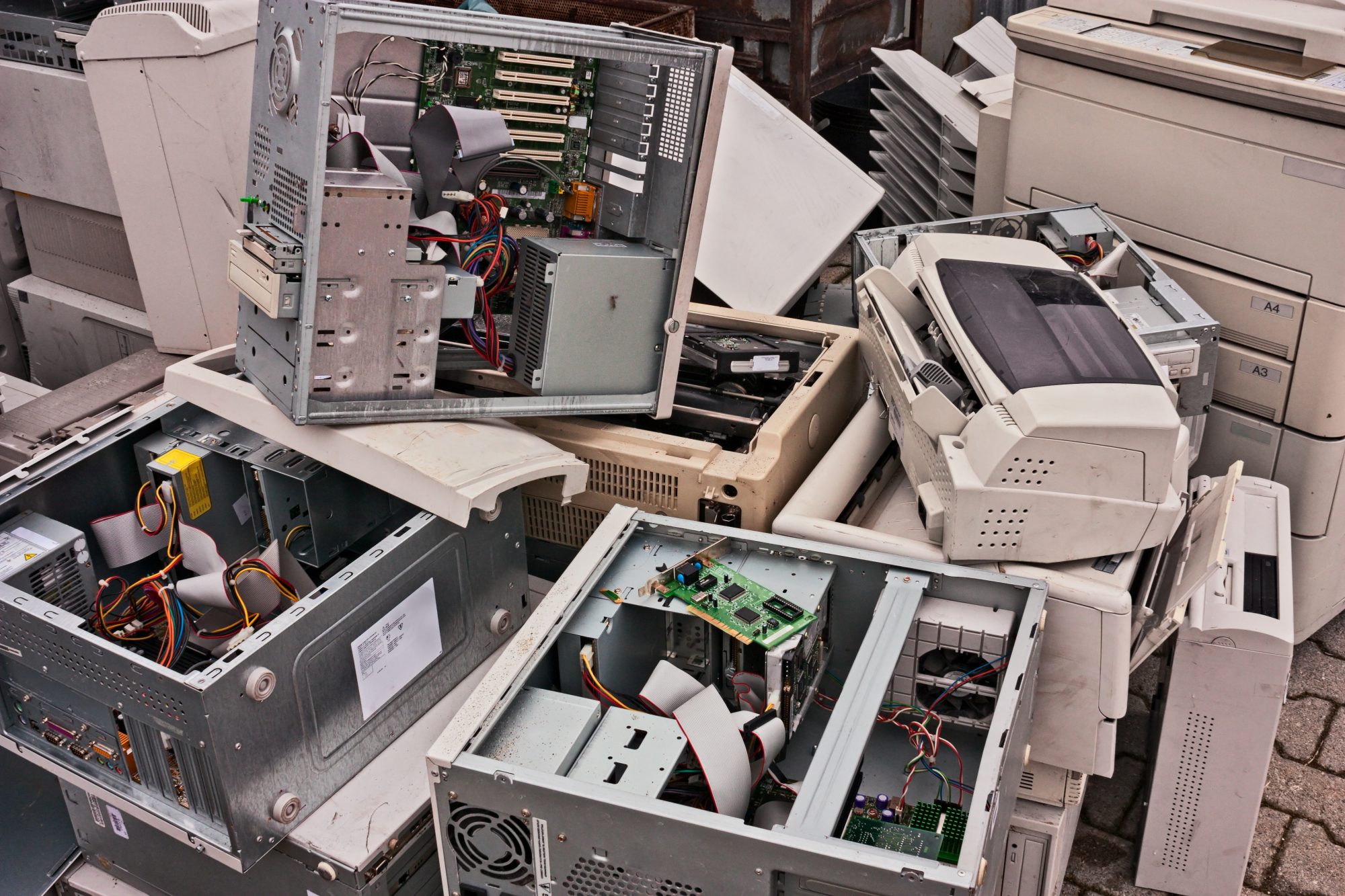
If you’ve ever done an office clear-out, you’ll know how quickly “just one cupboard” turns into a pile of old laptops, tangled chargers, broken screens and mystery cables that don’t fit anything. The easy option is to throw it in the general waste and move on.
But WEEE (Waste Electrical and Electronic Equipment) doesn’t work like that. For UK workplaces, WEEE is a compliance issue and (thanks to hidden lithium‑ion batteries) an increasingly serious fire risk. And with Wales introducing a new requirement from April 2026 for workplaces to present small electricals (sWEEE) separately for collection, it’s a good time for every business to get their electrical waste stream under control.
What is WEEE waste?
WEEE is any end-of-life electrical or electronic equipment. Essentially, it is anything that needs electricity to work. In workplaces that usually looks like:
- IT and comms equipment (laptops, monitors, phones, routers)
- Small household appliances (kettles, microwaves)
- Tools and specialist kit (handheld devices, scanners, medical devices)
- Cables, chargers and accessories
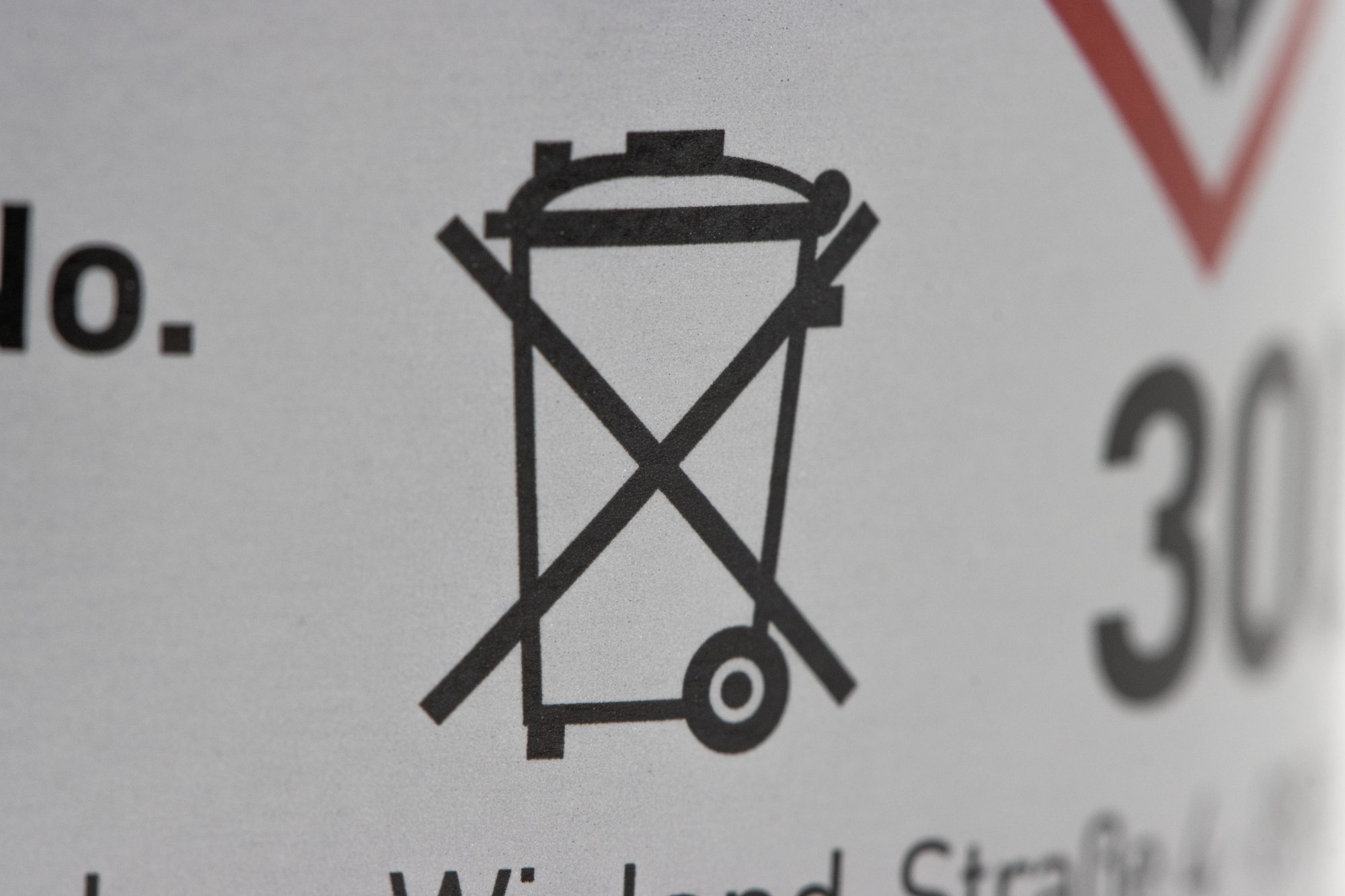
A simple clue is the crossed‑out wheelie bin symbol (the “bin symbol”) on the product or packaging. It’s there to show the item should not be disposed of as unsorted waste and needs separate collection and treatment.
Why WEEE can’t go in general waste
WEEE can contain valuable materials, but also potentially harmful components. Some equipment contains substances such as mercury, lead and cadmium. These items may be classed as hazardous waste. Mixing WEEE into general waste increases environmental impact and can contaminate other recycling.
Just as importantly for workplaces, electrical items in a general waste bin are far more likely to be crushed, compacted or damaged. This matters a lot when batteries are involved.
What are a business’s legal obligations under WEEE regulations?
For most workplaces, the key requirement isn’t “become a WEEE expert” – it’s meeting your duty of care.
In practical terms, duty of care means you must store, handle and transfer waste safely and make sure it only goes to the right people. That includes:
- Keeping WEEE waste in the workplace as a separate waste stream (don’t mix it with general waste)
- Using an authorised waste carrier and appropriate treatment route
- Keeping documentation so you can show where the waste went
If your business sells, imports or manufactures electrical or electronic equipment on a large scale, you may also have “producer” responsibilities under WEEE regulations. That’s separate from being a workplace producing WEEE waste but it’s worth checking where you sit, especially if you sell electricals as part of your operations.
The growing risk of lithium‑ion battery fires
Small electricals are high-risk because many contain lithium‑ion batteries. Sometimes they are obvious, like power tools and power banks. Sometimes they are not so obvious with items such as vapes or wireless keyboards and mice.
When these items end up in general waste, they can be crushed in bins, compacted in collection vehicles or damaged in sorting facilities. If a lithium‑ion battery is damaged, it can overheat and ignite, creating a fast-spreading fire.
UK waste sites and collection vehicles have seen more than 1,200 battery-related fires in a 12‑month period, with incidents rising sharply year on year. Many of these cases are linked to batteries being thrown away in the wrong place. Separating sWEEE and batteries reduces the chance of them entering the wrong waste stream in the first place.
The below video shows just how dangerous it can be to put your sWEEE in your general waste bins:
What’s changing in Wales in April 2026?
Wales has already tightened workplace recycling rules with Simpler Recycling. The next step is electricals.
From April 2026, workplaces in Wales will need to present small WEEE (sWEEE) separately for collection. Waste operators collecting from non-domestic premises will also need to collect it separately and keep it separate. Guidance on the approach notes that the requirement is expanding beyond “unsold” sWEEE to cover small electricals from workplaces more broadly.
Could similar changes happen in England?
There’s no guarantee England will copy Wales on the same timeline, but the drivers for change are UK wide:
- Better resource efficiency
- Higher-quality recycling & recycling centres
- And a very real need to reduce battery fires across waste collections and facilities!
Even without new separation rules, businesses in England still have duty of care responsibilities. Waste contractors are also increasingly strict about contamination and “risky items” like batteries. Treating WEEE (especially sWEEE) as its own stream now is a sensible next step.
How businesses can prepare now
You don’t need a complicated system – you just need a clear one!
Start with this quick checklist:
- Audit what you’re generating: Identify your main WEEE waste streams (IT refreshes, broken small appliances, lighting, tools). Flag items likely to contain lithium-ion batteries.
- Create a dedicated collection point: A labelled container or secure area for WEEE, plus a separate solution for loose batteries where appropriate.
- Train the people who handle it: Facilities, IT and anyone doing clear-outs should know the bin symbol, what counts as WEEE, and why batteries can’t be safely disposed of in general waste.
- Check your contractor and paperwork: Confirm your waste carrier is authorised, ask what happens to your WEEE after collection, and make sure you receive the right documentation for traceability.
If you’d like help turning that into a site-wide process, CSG can support with a waste management audit and total waste management solutions, so you know your WEEE is compliant and properly tracked.
WEEE disposal isn’t just “the recycling bit”. For businesses, it’s about compliance, safety and sustainability at the same time.
With Wales requiring separate presentation of sWEEE from April 2026, it’s a clear sign that expectations are rising. The best approach is simple: separate your electrical items, manage batteries properly, use authorised carriers, and keep the records that prove you’ve done it right.