UK business e-waste statistics: what the 2025 WEEE data shows
29 July 2026 by CSG
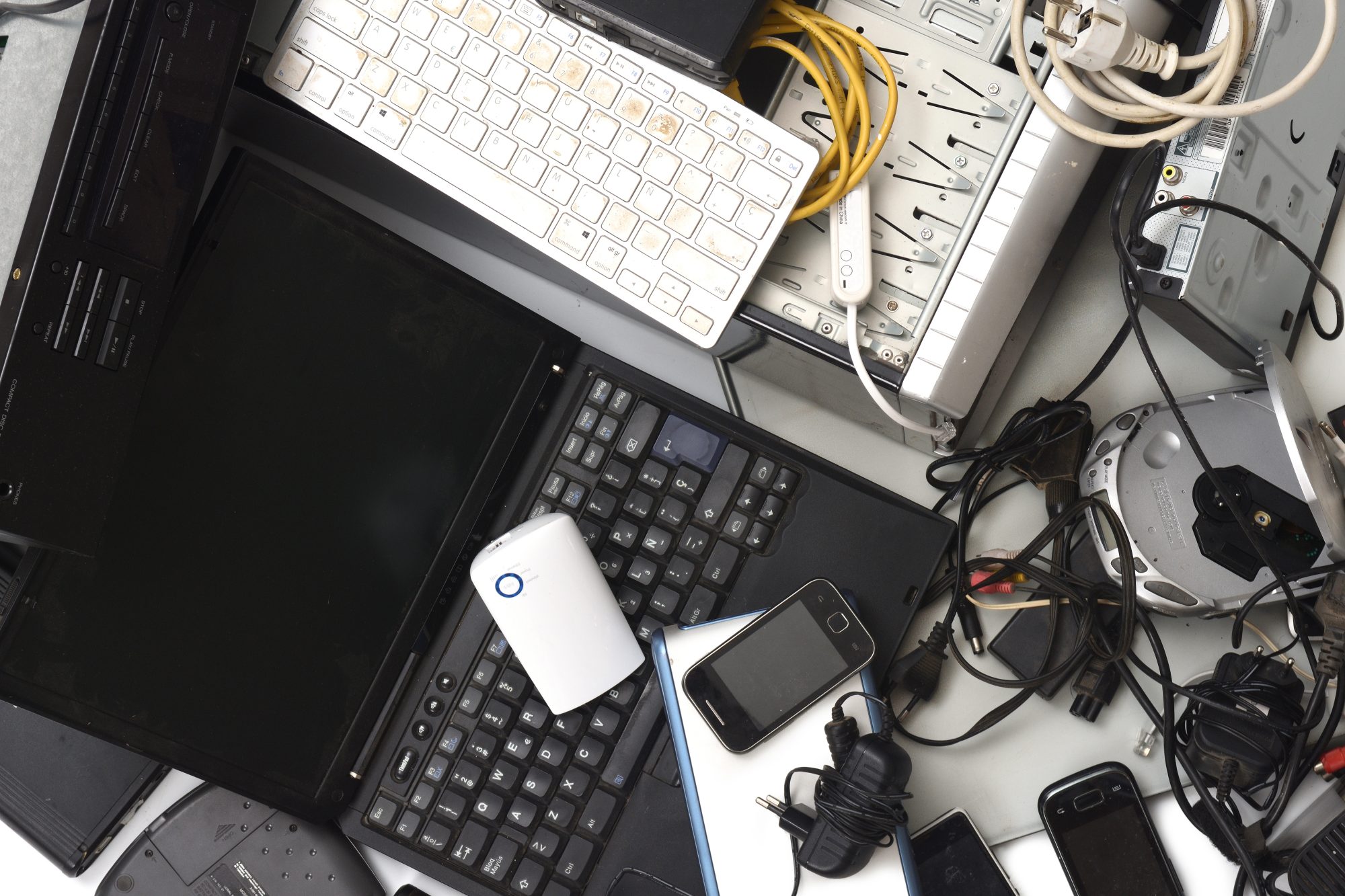
The amount of electrical and electronic equipment entering the UK market for non-household use rose sharply in 2025, while the volume of business e-waste collected through approved routes fell.
CSG analysed the latest Environment Agency figures covering electrical and electronic equipment (EEE) placed on the UK market and Waste Electrical and Electronic Equipment (WEEE) collected for treatment, reuse or onward processing.
The figures show that 305,988 tonnes of non-household EEE was placed on the UK market during 2025. During the same year, 7,733 tonnes of non-household WEEE was recorded as collected.
This does not represent a direct recycling rate. Electrical equipment may remain in use for several years, meaning WEEE collected during 2025 is unlikely to be the same equipment placed on the market that year. However, the contrasting trends raise important questions about what happens to business equipment when it eventually reaches the end of its useful life.
Business equipment rises as WEEE collections fall
The amount of non-household EEE placed on the market increased by almost 14% between 2024 and 2025, rising from 268,947 tonnes to 305,988 tonnes.
Over the same period, recorded non-household WEEE collections fell by almost 6%, from 8,198 tonnes to 7,733 tonnes. The 2025 collection figure was also approximately 10% lower than in 2023.
Across the three years from 2023 to 2025, approximately 860,166 tonnes of non-household EEE was placed on the UK market, while 24,555 tonnes of non-household WEEE was collected through the routes included in the data.
What types of business WEEE were treated?
The largest categories of non-household WEEE received for treatment during 2025 were:
- Cooling appliances containing refrigerants: 3,276 tonnes
- Lighting equipment: 1,551 tonnes
- Large household appliances: 1,544 tonnes
- IT and telecommunications equipment: 794 tonnes
Electrical equipment can contain valuable materials that can be recovered, as well as batteries and other components requiring specialist handling. When equipment reaches the end of its life, businesses should ensure it is kept separate from general waste where required and transferred through an appropriate authorised waste route.
Download the complete figures
The full spreadsheet includes:
- Household and non-household WEEE collection figures from 2015 to 2025
- A breakdown of WEEE received for treatment by equipment category
- Household and non-household EEE placed on the UK market during 2025
Download the full UK WEEE statistics spreadsheet
The analysis is based on Environment Agency WEEE datasets. Figures have been rounded to the nearest tonne.