How to Spot Septic Tank Problems
17 August 2026 by CSG
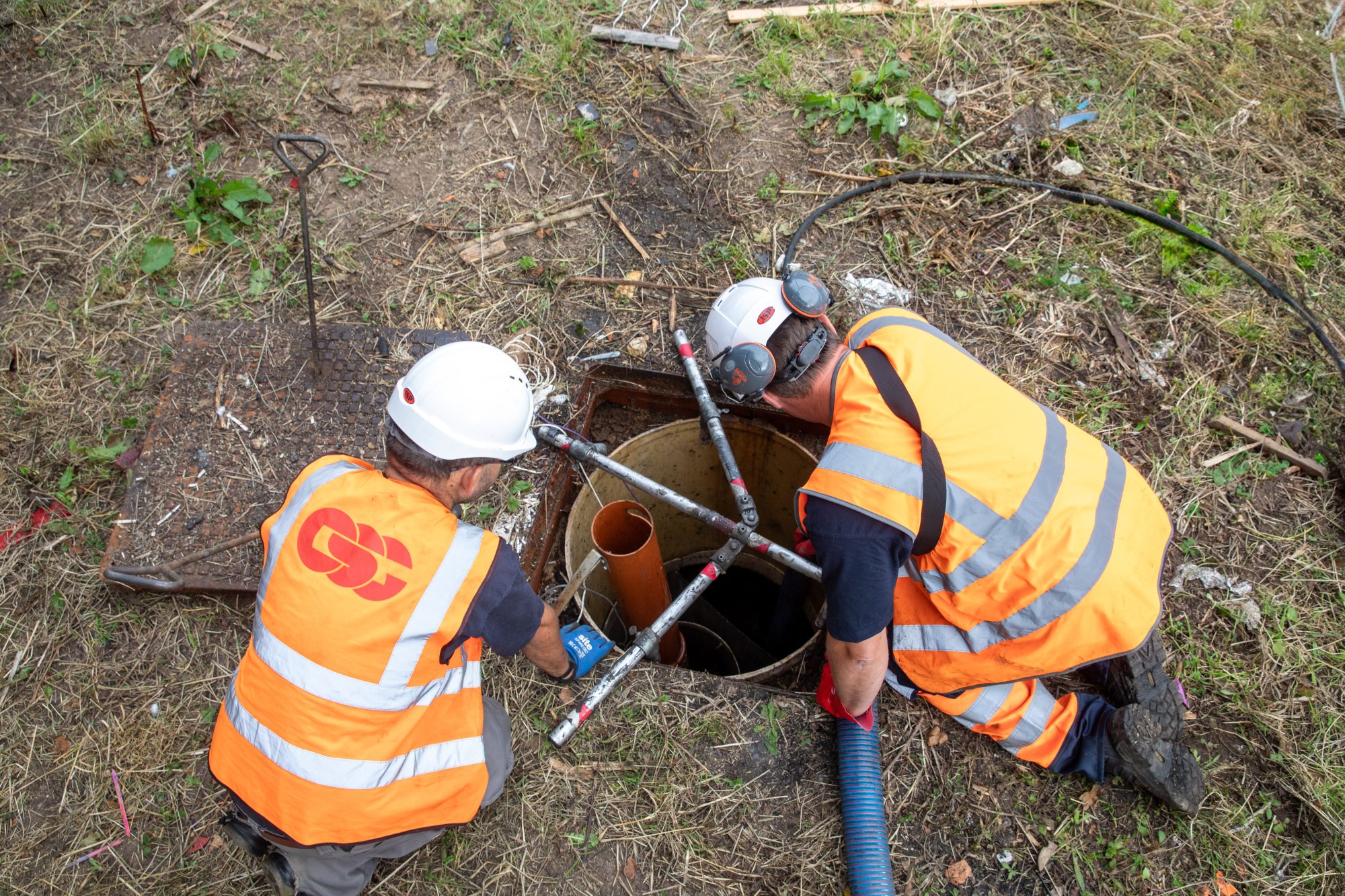
Septic tank problems rarely begin with something dramatic.
The first warning may be a toilet draining more slowly than usual, a gurgling sound from the pipes or an unpleasant smell in the garden. These symptoms can be easy to ignore, particularly when most of the septic tank system is hidden underground.
However, minor tank issues can become expensive and disruptive if wastewater begins backing up, reaching ground level or escaping into the environment.
Understanding the common warning signs can help you act before you are faced with a smell coming from your garden, damaged drainage field or an overflowing tank
How should a septic system work?
Wastewater from toilets, sinks, showers and household appliances enters the septic tank through an inlet pipe.
Inside the tank, heavier solids settle at the bottom, while fats, oils and other lighter materials float to the surface. The liquid waste remains between these layers.
This liquid then leaves the tank and enters the septic tank soakaway, also known as a drainage field. The drainage field uses perforated pipes to allow the wastewater to filter gradually through the surrounding soil.
When the system is working properly, wastewater should move through it without backing up, creating strong smells or producing pools of water at ground level.
You can find more information in our guide to how household sewage systems work.
What about sewage treatment plants?
Sewage treatment plants work differently from septic tanks. Rather than simply separating solid waste from liquid, they use a treatment process to improve the quality of the wastewater before it is discharged.
However, many of the warning signs are similar. Slow drains, unpleasant smells, standing water and sewage backing up can all indicate a problem with either type of system.
Treatment plants may also show more specific signs, such as a warning light or alarm, unusual noises, loss of power or a blower that has stopped working. As sewage treatment plants contain mechanical and electrical components, they should be serviced regularly in line with the manufacturer’s instructions.
Warning signs of septic tank problems
Because most of the system is underground, homeowners cannot always see when something is wrong. Instead, the system will usually produce one or more warning signs.
These can include:
- Gurgling sounds from toilets, sinks or drains
- Toilets draining slowly
- Strong sewage smells inside or outside the property
- Standing water near the septic tank or drainage field
- Wet or boggy ground around the system
- Unusually lush grass above the drain field
- Sewage backing up into the property
- A tank that needs emptying more often than expected
One slow drain may simply indicate a local blockage. However, repeated symptoms or problems affecting several drains should be investigated.
What common septic tank problems may mean
Different warning signs can point to different issues. A professional septic tank inspection may be needed to confirm the exact cause.
Slow drains and gurgling sounds
Gurgling sounds can occur when air becomes trapped in the drainage system.
When combined with slow-draining toilets, sinks or showers, they may suggest a blockage, a full tank or a drainage field that is struggling to accept more wastewater.
Check whether the problem affects one drain or the whole property. If several drains are slow, the issue is more likely to involve the wider septic tank system.
Standing water or wet ground
Standing water near the tank or drain field may mean that wastewater is no longer dispersing properly.
The tank could be full, a pipe may be blocked or the surrounding soil may have become saturated following heavy rainfall. In some cases, the septic tank drainage field may be damaged or failing.
Wastewater reaching the surface can create pollution and become a health hazard, so the affected area should be avoided until it has been checked.
Bad smells
Persistent sewage smells may indicate:
- A full septic tank
- Blocked or damaged pipework
- Poor ventilation
- A leaking tank
- Wastewater pooling in the drainage field
- Damaged internal components
A brief smell during septic tank emptying is not unusual. However, regular smells inside the house or around the garden need further investigation.
Lush grass above the drainage field
Grass needs water and nutrients to grow, so an unusually green patch above the drainage field may suggest that more wastewater is reaching that area than it should.
Lush grass alone does not always mean that the system has failed. However, if it appears alongside wet ground, bad smells or slow drains, the drainage field should be inspected.
Sewage backing up
Sewage backing up into a toilet, shower or sink is one of the clearest signs of a serious septic tank problem.
Stop using water wherever possible and contact a professional. Flushing toilets or running appliances will send more wastewater into a system that may already be full or blocked.
Damaged components
A collapsed baffle or damaged dip pipe can allow solids to leave the tank and enter the drainage field. This can cause blockages and long-term damage because the drainage field is designed to receive liquid rather than solid waste.
Ground movement, tree roots and heavy vehicles can also damage septic tanks, connecting pipes and drainage fields. Vehicles and heavy equipment should therefore be kept away from the system.
What can homeowners check safely?
There are a few simple checks you can make without opening or entering the tank:
- Check whether the problem affects one drain or the whole property
- Look for standing water, wet ground or lush grass
- Note where any unpleasant smells are strongest
- Consider when the tank was last emptied
- Think about whether there has recently been heavy rainfall
- Check previous servicing and maintenance records
- Look for visible damage around accessible covers
- Check whether a sewage treatment plant is displaying a warning light or alarm
Never enter a septic tank. Septic tanks are confined spaces that may contain toxic gases and low oxygen levels. Covers can also be extremely heavy or damaged.
If the cause is not obvious from a safe visual check, arrange a professional septic tank inspection, service or repair.
How to prevent septic tank issues
Regular maintenance can help prevent small issues from developing into larger problems.
Arrange septic tank emptying in line with the manufacturer’s instructions and the needs of your household. Sewage treatment plants should also be emptied and serviced regularly to keep both the treatment process and mechanical components working properly.
You can also protect your system by:
- Only flushing the three Ps: pee, poo and paper
- Keeping wipes, sanitary products and nappies out of toilets
- Avoiding pouring fats, oils and grease down sinks
- Using bleach and cleaning chemicals responsibly
- Keeping paints, medicines and solvents out of the system
- Fixing leaking taps and toilets
- Spreading washing-machine and dishwasher use throughout the week
- Keeping vehicles and deep-rooted plants away from the drainage field
These steps reduce pressure on the system and help protect the bacteria that break down waste inside the tank.
When should you contact a professional?
Contact a sewage system specialist if you notice repeated slow drains, gurgling sounds, sewage backing up, strong smells, standing water or signs of physical damage.
Homeowners are responsible for ensuring that their septic tank system is maintained properly and does not cause pollution or create a health hazard.
Spotting problems early can prevent a manageable issue from becoming an expensive and unpleasant emergency.
CSG provides septic tank emptying, inspections, maintenance and repairs, as well as septic tank and sewage treatment plant installations.
Contact CSG today if you need help keeping your septic tank or sewage treatment plant working properly.