Hazardous waste makes up 35% of Winchester fly-tips
09 June 2026 by CSG
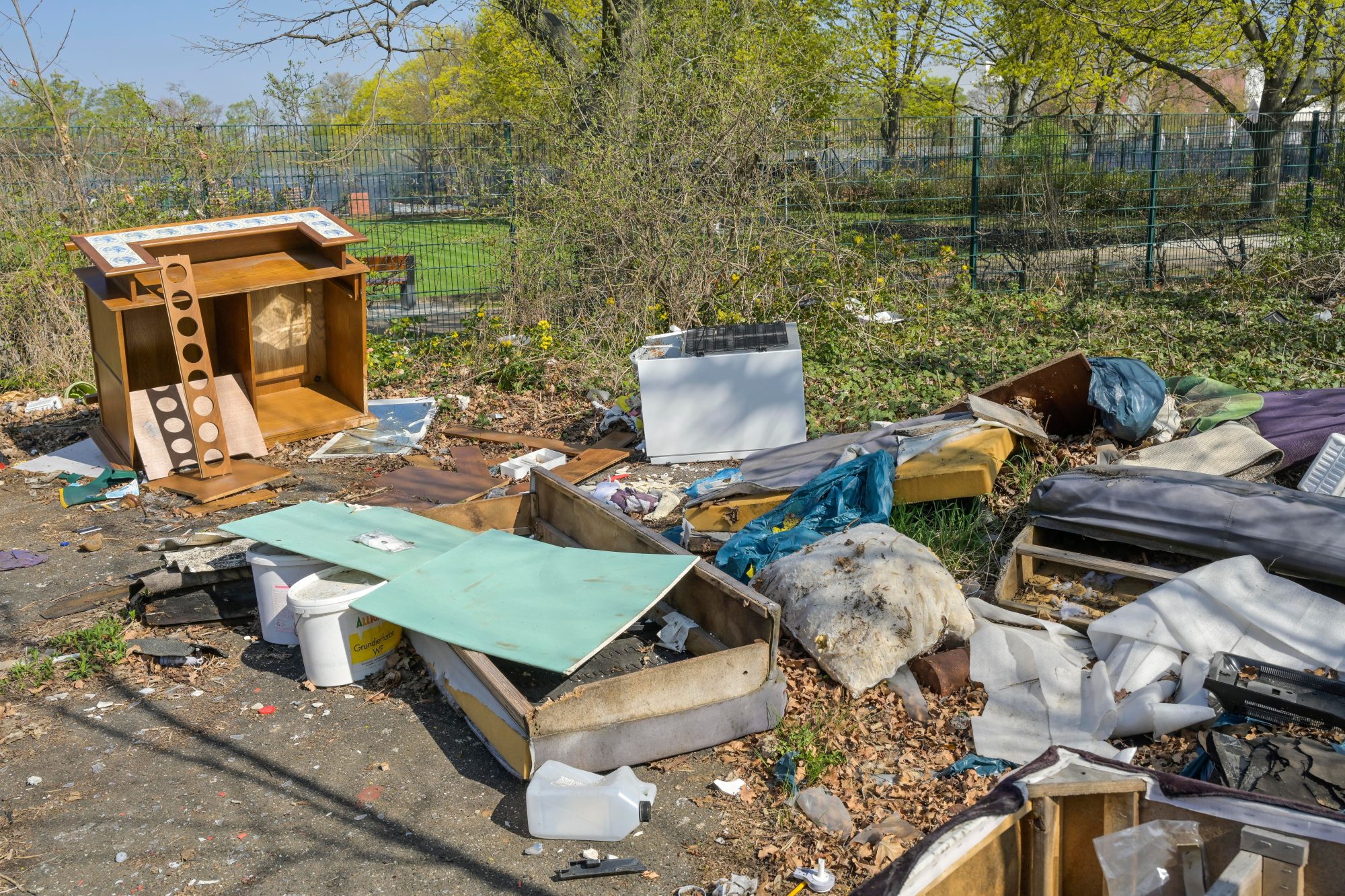
The amount of dangerous waste being fly-tipped across Britain is at a 17-year high – with more than a third of the rubbish dumped in Winchester categorised as hazardous.
Recently released statistics showed there were 1,257,863 incidents of fly-tipping in England in 2024-25 – up 9% from 1,152,632 in 2023-24.
Leading waste management specialist CSG has analysed the data further to examine how many of those incidents involved hazardous waste, including vehicle parts, electrical items, tyres, asbestos, clinical equipment and construction waste, as well as chemical drums, oils and fuels.
It found that there were 185,011 incidents of hazardous waste dumping in 2024-25, the highest since 2008-09 when there were 195,534 reported incidents.
There were 736 fly-tipping incidents in Winchester in 2024-25, and 260 of those involved hazardous waste, a huge 35% of all cases.
Nationally, the percentage of fly-tipping incidents involving hazardous waste was 15% in 2024-25.
Jen Cartmell, Managing Director of CSG, said hazardous waste is the most difficult and expensive to clear as it requires specialist attention.
Jen said: “The fact there were more than 1.2 million fly-tipping incidents in 2024-25, a 31% increase from 2018-19, is deeply concerning.
“I am particularly distressed by the rise in hazardous waste being dumped on land around England. Whether it’s construction waste, white goods, tyres or asbestos, this waste requires specialist removal and can be damaging to health.
“In the worst-case scenarios, toxic substances can seep into soil and water, contaminating water and harming wildlife.
“Hazardous fly-tipping is not just illegal, it’s a serious public safety and environmental threat.”
In Winchester, of the 736 fly-tipping incidents last year, 586 occurred on highways, 61 on footpaths, 47 on council land, 14 on back alleyways and three on railways.
General household waste was the most commonly dumped rubbish, followed by construction and demolition waste.
There were 43 actions brought in Winchester following fly-tipping, leading to four warning letters and three prosecutions. Three fines were dished out, totaling £7,407.
Across England, fines added up to £673,433 in 2024-25, considerably less than the £730,379 slapped on offenders in 2023-24.
Jen said: “Fly-tipping has been a real problem in the UK for many years and I was pleased to see the government’s new Waste Crime Action Plan and its £45 million investment, along with new powers for local authorities to seize and crush vehicles involved in fly-tipping.
“It is high time action was taken to protect the environment from this problem.”
CSG collects, treats and disposes of both hazardous waste and non-hazardous waste from businesses across the country.
The waste specialist can also utilise its fleet of specialised vehicle to safely dispose of asbestos, while also providing services to dispose of waste streams such as oils, laboratory waste and clinical waste.
CSG can carry out a free total waste management audit for businesses which wish to assess waste and improve disposal outcomes.
CSG has a sludge treatment plant in Botley, which boosts wastewater capacity in Hampshire for more than 8,000 off-mains households each year.