Expert calls for ban on flushable wipes after plastic alternative outlawed
17 December 2025 by CSG
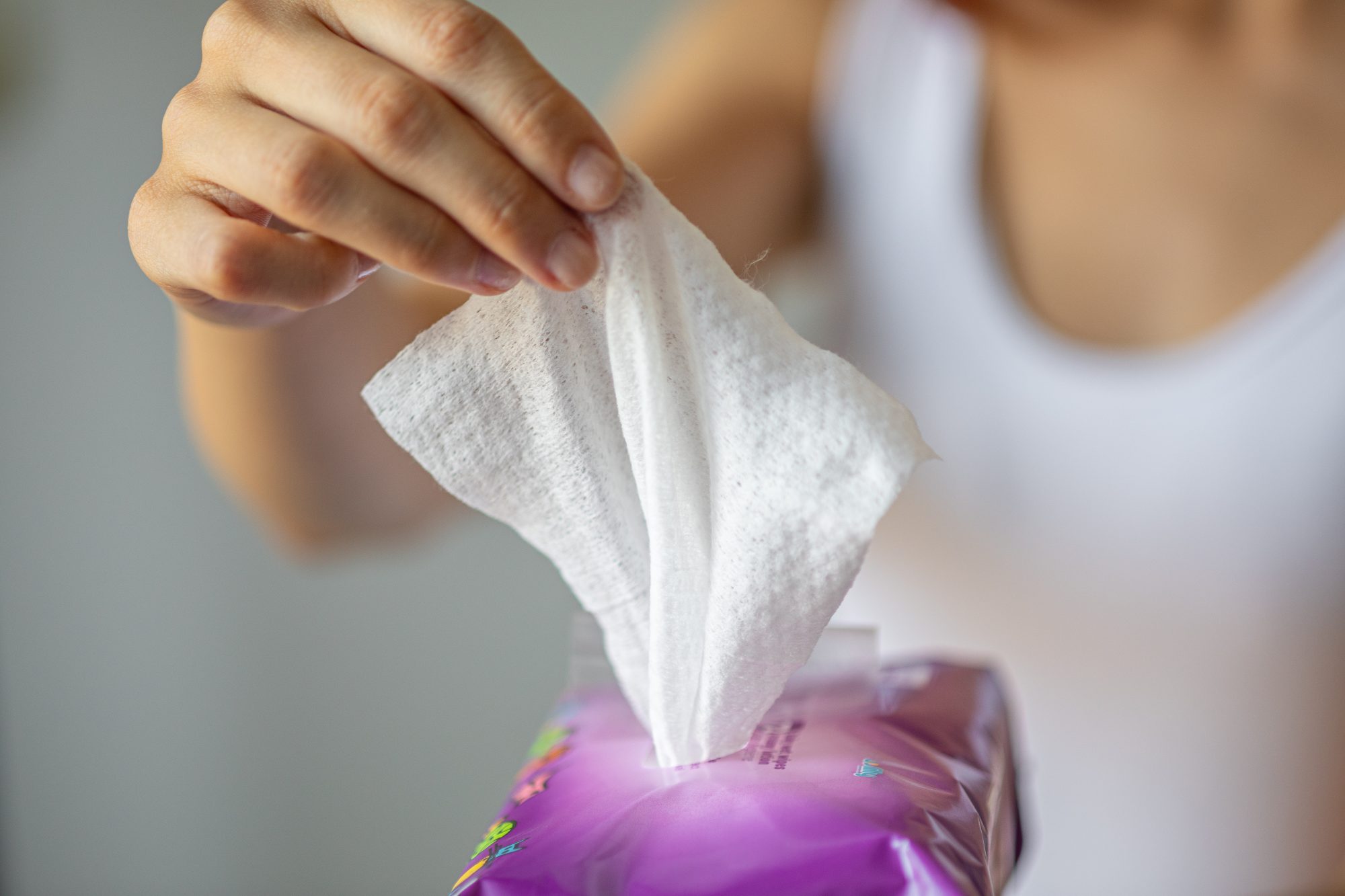
A sewage expert has called for greater accountability for those who clog up sewage systems by putting so-called ‘flushable’ wipes down the toilet – after wet wipes containing plastic were outlawed.
A long-awaited ban on the sale of wet wipes made of plastic was signed into law recently, bringing praise from environmentalists.
The new rules will come into force in 2027 and will bring England into line with legislation across the rest of the UK.
But, while supportive of the plastic wet wipe ban, James Baxter – Recycling Manager at waste management leader CSG – said still-legal wipes labelled as ‘flushable’ continue to cause significant harm to both treatment works and the environment.
CSG manages and operates treatment works across the country, as well as being one of the largest domestic sewage collectors in the country.
James said: “Wet wipes containing plastic have caused huge problems as when they are flushed down the toilet they bind together with fat, oil and grease and create a horrible, impenetrable mat which can wreak havoc and cause significant, expensive blockages.
“We are pleased the law has finally passed meaning wet wipes made from plastic are now a thing of the past.
“However, we know from our experience of managing and cleaning treatment plants that wipes labelled as flushable are also troublesome.
“They can, and regularly do, cause significant blockages in sewage systems – and in particular the new packaged treatment plants that are replacing old-style septic tanks. This can cost the homeowner many thousands of pounds to fix.
“They also contain bleaching agents and there is a chance these could go into the environment or into overflows.
“In my opinion, ‘flushables’ should be banned as well. There are ways of tracking waste to individual homes if blockages occur – and I would welcome more accountability.
“The only thing safe to go down a toilet is poo, wee and toilet paper – and even toilet paper should be limited.”
Manufacturers of flushable wipes say their products have been thoroughly tested and comply with all rules.
But James added: “If you want to test the composition of a flushable wipe, put one in a glass of water for a few days alongside a couple of pieces of toilet paper in another. They do not disintegrate in the same way at all.”
For CSG’s army of sewage drivers, blockages caused by wipes are an all-too-common occurrence.
Mick Smallwood, who works from CSG’s Aylesford base, berated the “flush and forget mentality” that can cause burnt out bearings, snapped drive belts and even tank collapse.
He said: “So-called flushable wipes don’t break down and get sucked into machinery and can block up pipes and moving parts.
“What’s more, the rags bind with fat and form buoyant floating mats. These can even press onto and deform tank structures and cause serious structural damage.
“This can cost the customer huge amounts of money in repair or tank replacement.
“My advice is to ignore the wipes manufacturer’s safe to flush endorsement. These wipes are never safe to flush whether you’re on or off mains sewage.
“If you want to avoid a costly repair and prevent pollution, never flush anything but the three ps.”
Despite the law change, UK companies will still be able to manufacture and export plastic wet wipes.
Plastic wet wipes will still be available to buy from pharmacies and businesses like hotels will be allowed to buy the wipes, without restrictions.
James said there were clear differences in the volume of wipes clogging up CSG’s treatment plants depending on geographical location.
“It’s clear the message is cutting through in some areas and not others,” said James. “We have a treatment plant in Aylesford where there are very few wipes present, while in other areas the problem persists.
“I see it as a positive that when people hear and understand the message they take heed.”