Why Septic Tank Maintenance Matters for the Environment
20 February 2026 by CSG

If you’ve never lived in a house which isn’t connected to the mains sewer, you’ve probably never thought about septic tanks. However, for many homes in remote and rural areas, septic tanks play a key role in the safe treatment of household wastewater.
In fact, a septic tank remains one of the most popular wastewater treatment solutions for off-mains properties.
When septic systems are well maintained and operate correctly, they help protect water quality and local ecosystems. But when neglected, they can lead to environmental pollution and contamination of groundwater. In this blog, we explore the environmental benefits of regular septic tank pumping and why maintenance is essential for protecting the environment.
How a septic system works
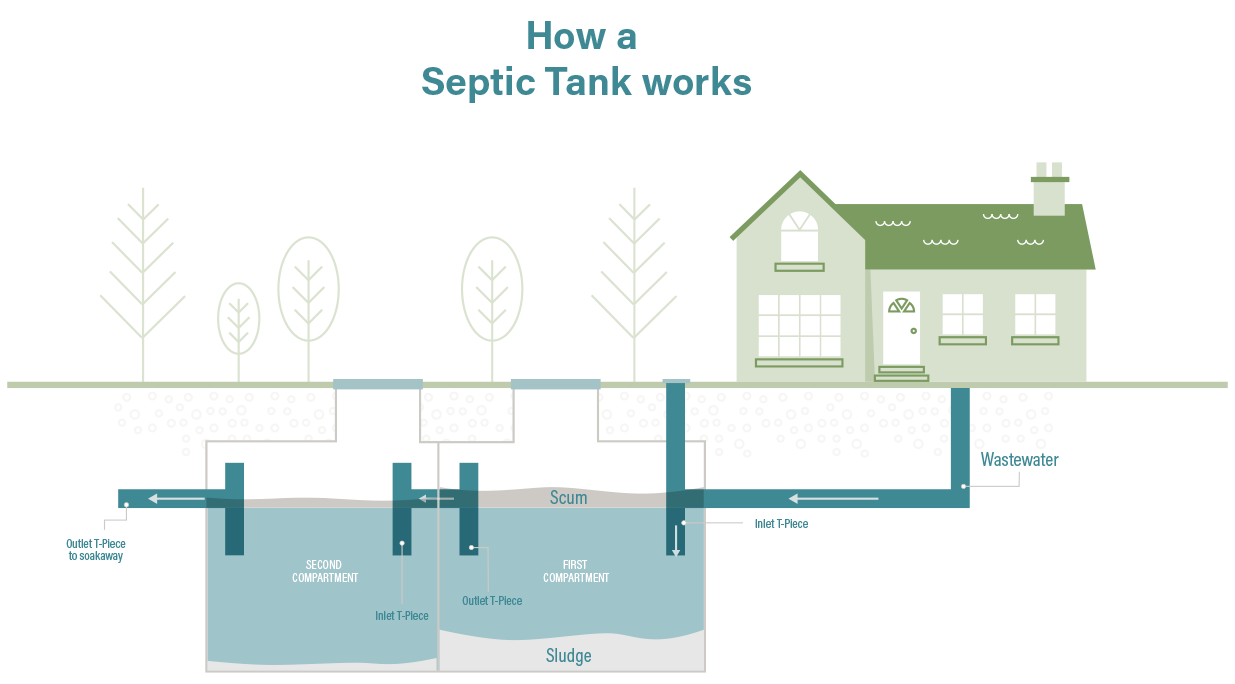
A septic tank is a large tank buried underground and all wastewater from the house flows into the tank.
The tank holds the wastewater long enough for solids to settle to the bottom and a “scum” bacteria layer to form at the top. The system operates so sludge at the bottom and scum/water layer at the top do not flow out of the tank.
The remaining wastewater flows out through pipes into an underground drainfield. The water flows out of the pipes into the soil of the drainfield. Solids build up in the tank and are eventually pumped out and removed by a licenced waste carrier, such as CSG!
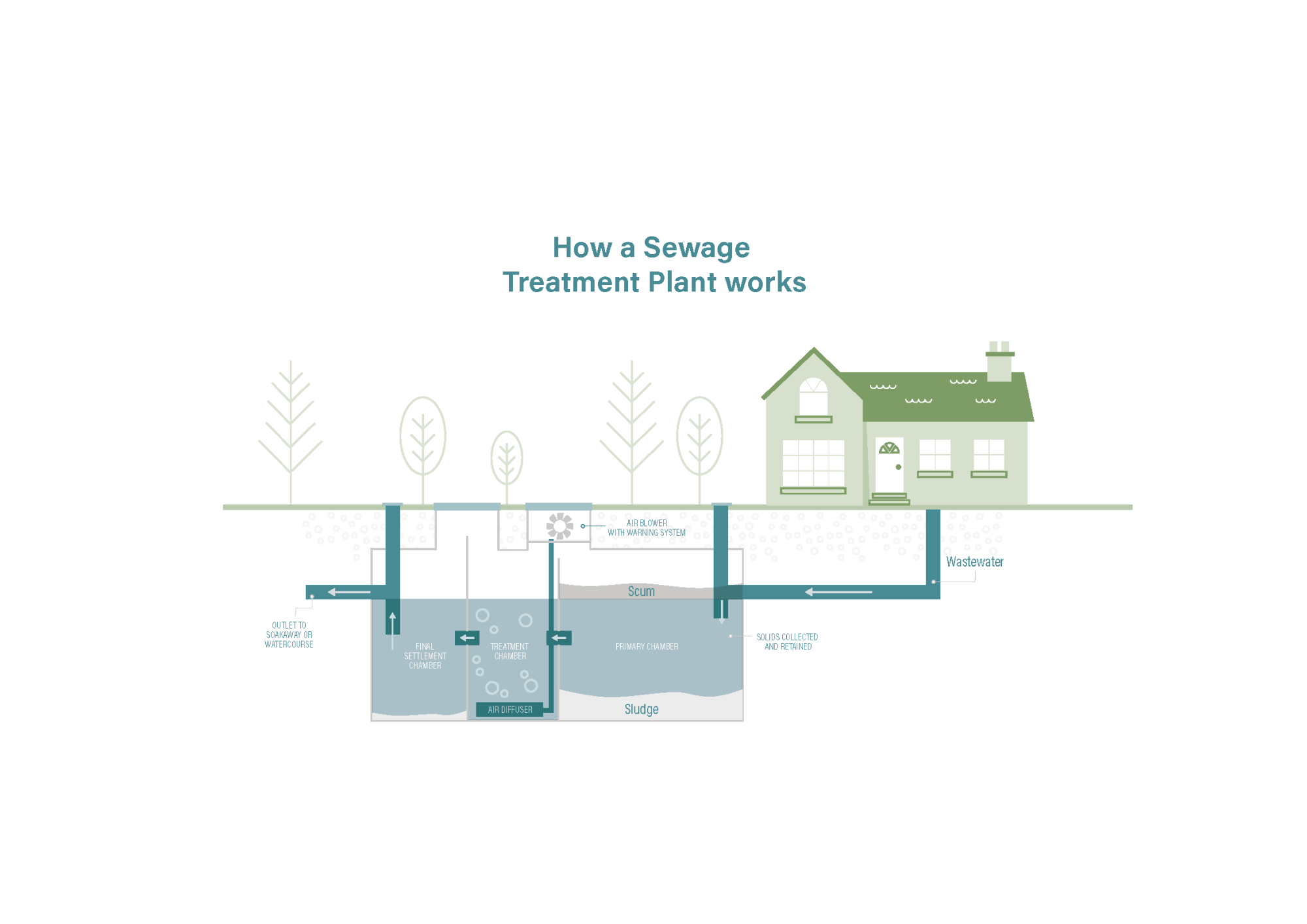
The sewage treatment plant process is similar to the way that a septic tank works, but mechanical components provide additional processes to help break down solids to produce a cleaner, more environmentally friendly effluent.
Protecting water quality and drinking water supplies
One of the most important environmental benefits of septic tank maintenance and emptying is the protection of water quality. When a septic tank is neglected, waste and bad bacteria can escape from the tank and contaminate the groundwater. This poses a serious risk to water supplies, drinking water and nearby rivers and lakes.
Routinely emptying your septic tank can prevent solid waste from building up and causing problems with your system. It is especially important for properties in rural areas, where homes often rely on private water sources such as wells.
By keeping your septic tank in tip top condition, you help to keep your local water sources clean and reduce the risk of pollution. This means you are not only protecting your individual system & property, but also the wider environment.
Safeguarding local ecosystems
Polluted water has a negative effect on ecosystems and wildlife; it does not just affect humans.
Poorly maintained or failing septic systems can allow harmful pathogens and bacteria to escape into the surrounding soil and nearby watercourses. These contaminants can have serious consequences for aquatic life and the environment.
When untreated or improperly treated wastewater enters rivers, lakes, or coastal waters it can spread disease and disrupt fragile ecosystems. Species such as fish, birds and shellfish are particularly vulnerable as they rely on clean water to survive.
By maintaining your septic system and arranging regular emptying, you reduce the risk of harmful contaminants entering the environment and help protect local ecosystems and wildlife.
Reducing the risk of environmental damage & unexpected costs
In the UK, the general binding rules for sewage discharges to the ground say that you must have your septic tank emptied regularly, typically once a year, or as per the manufacturer’s instructions.
These rules are in place to prevent pollution, protect the environment and reduce the risk of untreated wastewater entering soil and nearby watercourses.
Failing to comply with these rules can lead to enforcement action, fines, and unexpected costs for homeowners. In addition to legal penalties, neglected septic systems are more likely to fail, resulting in costly repairs or even full system replacement. Regular septic tank emptying helps ensure compliance, protects the environment and reduces the risk of avoidable financial and environmental damage.
So, how often should I have my tank emptied?
How often you should pump your septic tank depends on several factors, including the size of the tank, the number of people in your household, and how much wastewater is produced. As a general rule, most septic tanks should be emptied at least once every year or in line with the manufacturer’s instructions.
Regular emptying helps prevent solid waste from building up and reduces the risk of system failure or pollution. Having your septic tank assessed by a professional can help determine the right emptying schedule for your property, ensuring your system remains compliant and environmentally safe.
A simple step with lasting environmental benefits
Regular septic tank emptying plays a vital role in protecting the environment, from safeguarding water quality to preserving local ecosystems. It also helps homeowners meet legal requirements, reduce the risk of pollution and avoid unexpected repair costs. By staying proactive with septic tank maintenance, you can ensure your system continues to operate safely and effectively for years to come. Taking simple preventative steps today helps protect your property, your community and the environment for the future.