
Oily Water Disposal & Treatment for Businesses

CSG provides oily water disposal & treatment for commercial and industrial sites, helping businesses manage wastewater contaminated with oils, hydrocarbons and oily residues.
We assess the waste’s composition and contamination before confirming suitable collection and treatment arrangements. Where suitable, separated oil can be recovered for reprocessing.
This service does not cover domestic oil disposal or routine used engine oil collection from garages and small workshops.
Treatment support for oily water, oil-contaminated wastewater and specialist industrial oil waste.
Using CSGs Dedicated Oil Treatment Plant Facilities
Home » Industrial Waste » Waste Oil Treatment » Oily Water Disposal
How Does Our Oily Water Disposal & Treatment Service Work?
Tell us where the oily water comes from, its estimated quantity, how it is stored and any known contamination. Our team reviews the information and confirms whether sampling or analysis is needed.
Once the waste has been assessed and accepted, we agree suitable collection and treatment arrangements around your site requirements.
The collected waste is directed to an appropriate authorised treatment route, with recovery considered where suitable. We provide the applicable waste documentation for your records.

Nationwide Collection
We support single- and multi-site businesses throughout the UK
Specialist Support & Advice
Get practical advice and support from experienced waste professionals
Practical Waste Assessment
We assess the information provided and arrange sampling where needed to confirm classification, acceptance and suitable treatment arrangements
Clear Reporting
We provide full duty of care documentation and a clear audit trail

What You Can Expect From Our Oily Water Disposal Service
Our oily water treatment service combines waste assessment, suitable collection arrangements and treatment, with clear documentation for your business.
- Experienced hazardous waste teams
- Dedicated account management and ongoing support
- Collections for bulk and packaged oily waste
OUR CREDENTIALS
Built On Recognised Standards
Quality, environmental, and safety credentials supporting our oily water collection and treatment services.
DNV-Certified
Quality, Environmental & Health and Safety
SAFE Contractor
SSIP Accredited

Achilles UVDB
Category B2 Assessment
CHAS
Accredited

Logistics UK
Member

CIWM
Affiliated Member
Who We Support
Our oily water treatment services support commercial and industrial organisations across a range of sectors, including:
Manufacturing & Engineering
Management of oily process water, wash-down water and more
Utilities
Support for contaminated bund water and separator systems
Transport & Logistics
Collection of fuel-contaminated water and oily residues
Industrial & Processing
Safe management of oily wastewater generated through production and cleaning
We’ll help you identify an appropriate oily water treatment route for your business. Speak with our team
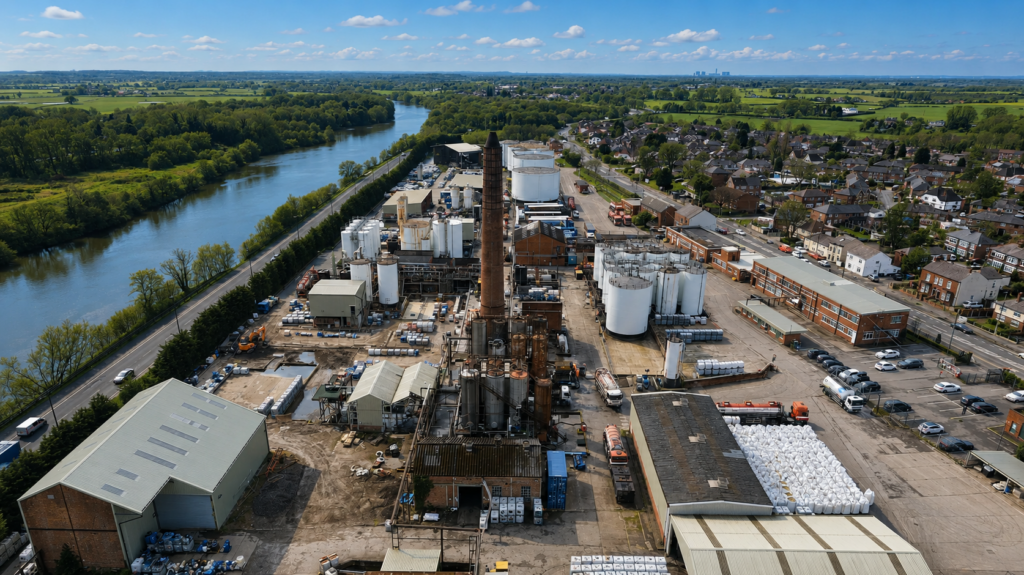
How We Treat and Recover Oily Water
We assess oily water before acceptance to identify a suitable treatment route.
Where appropriate, gravity separation is used to separate readily separable oil from water. The separated water phase receives further treatment to address chemical oxygen demand (COD), metals and other contaminants, according to its composition and the treatment requirements.
Suitable recovered oil can be sent to specialist refineries for reprocessing. Wastewater containing detergents, emulsified oil or other contamination may require additional or alternative treatment.
- Oil and water separated through gravity treatment
- Water treated to reduce COD, metals and other contamination
- Suitable recovered oil sent for reprocessing
- Clear documentation confirming the final treatment or recovery route
We confirm the appropriate treatment or recovery arrangements following assessment and provide the applicable waste documentation.
Related Blogs & Guides




Frequently Asked Questions About Oily Water Disposal & Treatment
What is oily water?
Oily water is the term used to describe wastewater that’s become contaminated with oils, fuels, hydrocarbons or oily residues – whether that’s through industrial, engineering or operational activities. Because the water has been contaminated, it needs specialist handling and treatment.
Is oily water considered hazardous waste?
Classification depends on the waste’s source and applicable waste code, as well as its composition where assessment is required. Some oily-water streams, including oily water from interceptors, have hazardous classifications.
We can help assess the waste and arrange sampling where needed to confirm the correct classification and suitable treatment arrangements.
Can you collect oily sludge as well as water?
Yes. Alongside oily water, we can also collect, dispose (or treat where possible) oily sludge, subject to assessment and acceptance.
Do you offer emergency collections for spills or flooding in bunds?
Yes, we can support urgent or emergency collections for contaminated bund water, spills or flooding situations depending on location and operational availability. Please contact our team with details of the site and waste involved so we can assess the most suitable response.
For an urgent incident, call our 24/7 emergency response hotline on 0800 587 3133. Our team will assess the situation and advise on the appropriate response.
How is oily water treated?
CSG assesses the waste before confirming acceptance, collection arrangements and an appropriate authorised treatment route.
Readily separable oil may be recovered where suitable, while the water phase receives further treatment. Detergent-containing, emulsified or otherwise contaminated loads may require additional or alternative treatment.
What if my oily water is contaminated with other chemicals or detergents?
Additional contamination can affect classification, treatment suitability and pricing.
Keep oily water separate from chemicals, solvents and other waste streams in suitable, clearly labelled containers. Contact CSG before combining waste streams so we can advise on the applicable safety, legal and treatment requirements.
If the wastewater already contains detergents, emulsified oil or other contaminants, tell us what is present. Additional contamination can affect classification, acceptance, treatment options and pricing.
What if the oily water contains diesel, petrol or strong solvent smells?
Tell us about any known or suspected fuel or solvent contamination before collection and provide any available information about the waste’s composition.
Highly flammable fuel cannot be processed through CSG’s oil treatment plants and requires a separate approved route. Our team will assess the information before confirming acceptance and suitable collection and treatment arrangements.
Is there a minimum collection quantity or minimum charge?
Minimum charges may apply depending on the waste type, contamination level, location and collection requirements. Due to the processing involved, we tend to be most cost-effective for commercial and industrial waste producers, rather than small domestic enquiries.
This service is for commercial and industrial oily wastewater. We do not provide domestic oil disposal or routine used engine oil collection from garages and small workshops.
What details do you need for a quick quote?
To provide an accurate quotation, we’ll usually need:
- Estimated quantities
- Oil-to-water ratio if known
- Solids or sludge content
- Information about contamination
- Storage method and packaging
- Site location and access details
- Collection urgency or frequency
If you have images or previous analysis results, please send these too as this can help us provide a more accurate quote.
Do you provide containers, tank swaps or temporary storage solutions?
Where required, we may be able to provide suitable containers, storage equipment or temporary tank solutions depending on the waste stream and site requirements. Just let us know in advance!
Can oil be recovered from every oily-water load?
Recovery depends on the type and quantity of oil present and whether it has been contaminated by other substances. We assess the waste before treatment and prioritise oil recovery where the separated material meets the receiving refinery’s acceptance requirements.
What is COD, and why does it need to be reduced?
Chemical oxygen demand, or COD, is a measure used to indicate the level of organic contamination within water. Water with a high COD can affect treatment systems and the environment, so the separated water phase is treated to reduce COD and other contaminants before its authorised onward route.
Will I receive evidence that the oil has been recovered?
CSG provides the appropriate waste documentation recording the treatment or recovery route used. Where the separated oil is successfully recovered and sent for reprocessing, the applicable recovery information can be included within your audit trail.
Get a Free Waste Management Audit
The easiest way to start improving your waste management is with a Free Waste Management Audit from CSG. Our team will assess your current waste streams, identify opportunities to reduce costs and make practical recommendations to improve how you manage your waste.

Safety Built Into Every Service
See how CSG protects people, sites and the environment


Arrange Oily Water Collection and Treatment
Tell us about the oily wastewater your business needs treated and the postcode of your site. Include its source, approximate quantity, storage arrangements and any known contamination. Our team will assess suitable collection and treatment options, with oil recovery considered where appropriate.
This service does not cover domestic oil disposal or routine used engine oil collection from garages and small workshops.
To discuss your requirements, call 0800 011 6600.