Zero Waste to Landfill & Resource Recovery
CSG support organisations Zero to landfill goals through suitable recycling and resource recovery routes, supported by our Total Waste Management services.
We specialise in complex hazardous waste requirements, with supporting non-hazardous streams managed where relevant to the wider contract. Our team reviews your waste profile, collection arrangements and treatment options, then tracks agreed recovery objectives through structured reporting.
Zero waste to landfill is an objective assessed against your waste streams and available treatment routes. Some materials still require disposal.
We assess each waste stream to identify suitable recycling and recovery routes, supported by CSG’s own treatment facilities and specialist expertise.
83.4%
overall permitted recovery rate in 2025
Home » Total Waste Management » Zero Waste to Landfill & Resource Recovery
More Waste Recovered, Less Sent to Landfill
We review how your waste is produced, segregated and managed to identify opportunities for prevention, reuse, recycling and other recovery. Where suitable alternatives exist, this can reduce reliance on landfill and improve visibility of waste outcomes. The appropriate route depends on the material, contamination, treatment requirements and available facilities.
- Identify opportunities to reduce landfill dependency
- Increase recycling and resource recovery where suitable routes exist
- Improve waste reporting, visibility and sustainability performance
Supporting Organisations Across a Range of Industries
We support organisations across a wide range of sectors looking to improve waste recovery performance and reduce reliance on landfill disposal.
Whether you’re managing hazardous waste, industrial by-products, manufacturing waste streams or multi-site operations, our team can help identify practical opportunities to improve waste outcomes.
For complex or difficult-to-manage waste streams, we support organisations managing complex hazardous waste, industrial by-products and multiple waste streams across single or multiple sites. Our specialists review existing arrangements and identify suitable recovery opportunities, with supporting non-hazardous streams considered within the wider Total Waste Management contract.

We support organisations across a range of industries, including:
Manufacuring
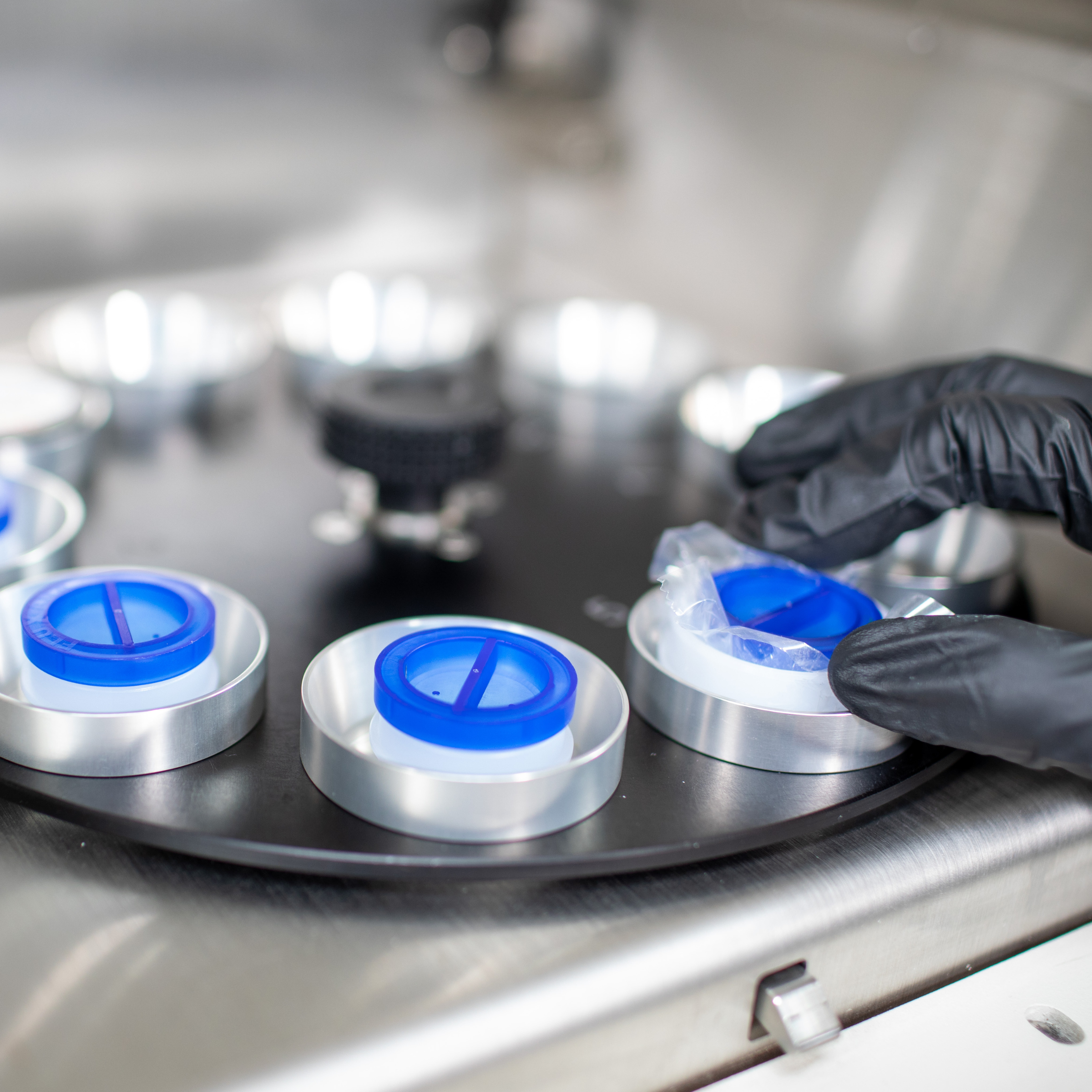
Laboratories
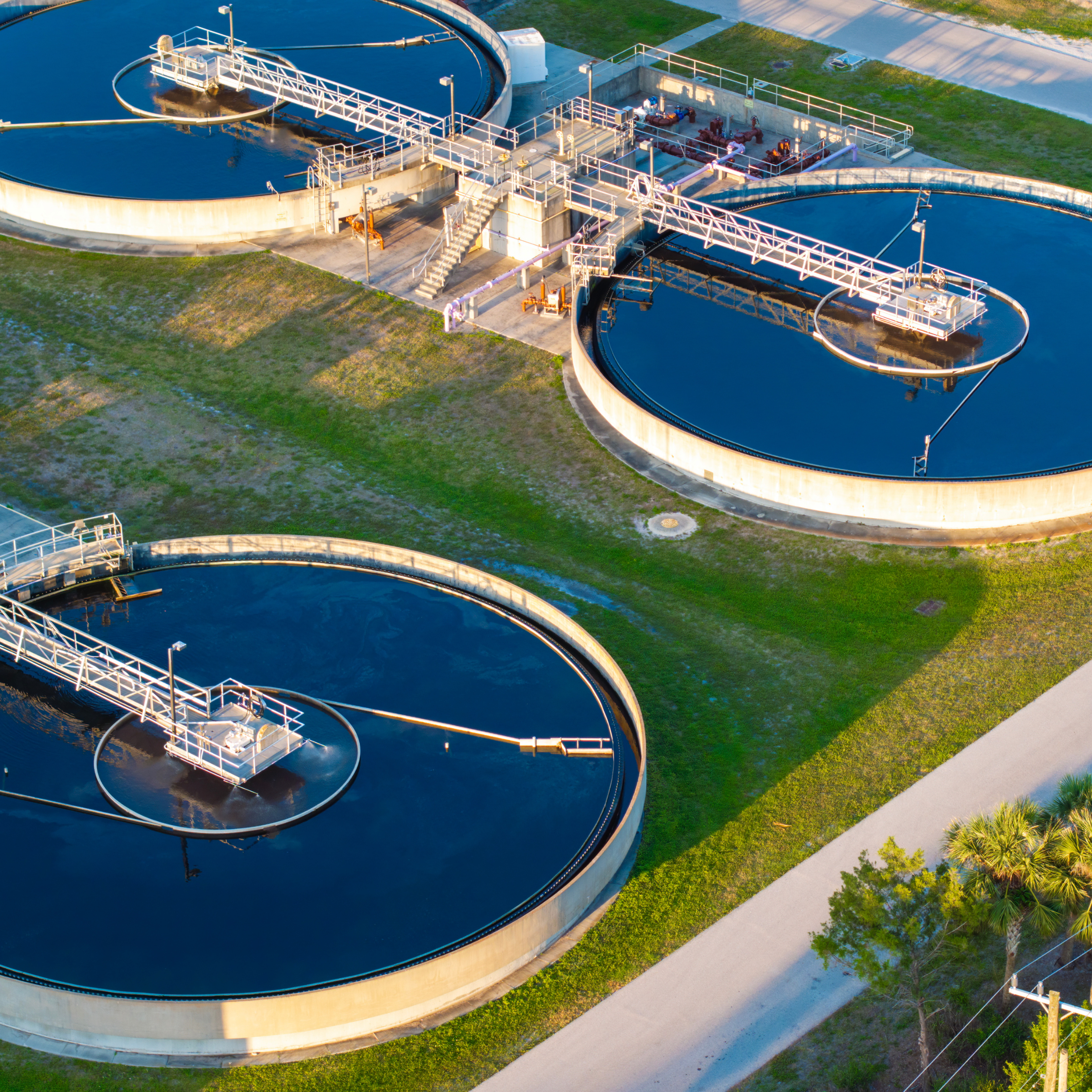
Infrastructure
Energy
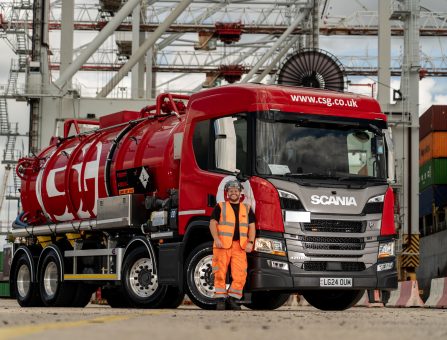
Logistics
Why Organisations Choose CSG
An Individual approach to your waste
We assess each waste stream and identify suitable treatment routes, supported by CSG’s own facilities and specialist technical teams.
Clear Reporting on Waste Outcomes
Consolidated reporting helps you understand waste volumes, treatment routes and recovery outcomes across the agreed contract scope.
Ongoing Review of Recovery Opportunities
We review segregation, treatment options and performance against agreed objectives as your operations and available recovery routes change.
RESOURCE RECOVERY IN PRACTICE
Real results. Less waste to landfill.
Every waste stream is different. By reviewing how waste is produced, segregated and stored, we can identify opportunities to reuse, recycle or recover more material and reduce reliance on landfill.
Here are some examples of how we have helped customers put those principles into practice.
Safran Landing Systems
01
Mulberry Design
02
Our Recovery Process
03
of waste diverted from landfill
Safran Landing Systems
More than 20 waste streams, managed as one programme
CSG manages the day-to-day waste produced at Safran’s Gloucester facility, including more than 20 hazardous waste streams.
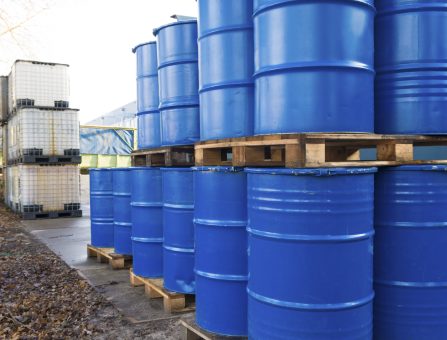
Better segregation and specialist recovery routes help reuse or recycle oils, metals, chemical drums, packaging and wooden pallets.
turning unavoidable liquid waste into a resource
Mulberry Design
Manufacturing waste routed back into useful processes
CSG supports Mulberry with specialist routes for watery ink solution, waste oil, sludge and interceptor water from its manufacturing operations.
Suitable ink waste can be treated for use in other materials, while recovered oil is prepared for further processing—keeping valuable resources in use.
overall permitted waste recovery rate
Our Recovery Process
Applying the waste hierarchy to every waste stream
Our specialists assess what each waste contains, how it was produced and which authorised treatment routes are suitable.
We apply the waste hierarchy, considering prevention, preparation for reuse, recycling and other recovery before disposal. Route selection also considers safety, technical suitability, legal requirements and the overall environmental outcome.
98%
Safran waste diverted from landfill
95.4%
recovery recorded at Blackburn in 2025*
83.4%
overall permitted recovery in 2025*
*The Blackburn and overall permitted recovery figures relate to 2025 and are detailed in our 2026 sustainability report. For these statistics, permitted discharge to sewer is counted as recovery.
A Smarter Approach to Resource Recovery
Resource recovery forms part of a tailored Total Waste Management programme for organisations with complex waste requirements.
- A review of current disposal and recovery routes
- Improved visibility of recovery and disposal outcomes
- Opportunities to increase recycling and recovery rates
- Ongoing performance monitoring and reporting
We begin by reviewing your waste streams, current suppliers, collection arrangements and treatment routes. We then identify suitable improvements and agree priorities, responsibilities and reporting measures within the contract.
CSG combines its own collection and treatment capabilities with authorised specialist routes where required. Ongoing reviews help identify further opportunities as your waste profile, operations and treatment options change.
Frequently Asked Questions About Zero to Landfill & Resource Recovery
What does "zero waste to landfill" mean and is it realistic for all businesses?
Zero waste to landfill means avoiding landfill disposal for the waste streams and reporting period included in a defined assessment. It does not mean that all waste is recycled; suitable routes may include reuse, recycling and energy recovery.
Some hazardous or contaminated materials, including treatment residues, may still require disposal. We assess your waste streams and available routes before agreeing realistic objectives.
What are the environmental and commercial benefits of diverting waste from landfill?
Suitable recycling and recovery routes can preserve resources and reduce reliance on landfill. Reviewing segregation, collection arrangements and treatment options may also identify cost efficiencies.
The environmental and commercial benefits depend on the waste, transport requirements, processing costs and available outlets. Some recoverable materials may have a value, but savings or rebates are assessed individually and are not guaranteed.
What are R codes and D codes on waste returns?
R codes identify recovery operations, while D codes identify disposal operations. Recovery includes activities such as recycling, material reclamation and certain energy recovery processes.
The code describes an operation rather than guaranteeing that all material has been recycled or fully recovered. Some codes relate to storage or intermediate processing before the final treatment stage. We explain the relevant routes and outcomes within the agreed reporting scope.
What is transfrontier shipment (TFS) and when is it used?
A transfrontier shipment is a movement of waste between countries. The controls depend on the waste classification, destination and intended treatment.
Some shipments require prior notification and consent from the relevant authorities, while eligible wastes may move under different controls. Any proposed shipment must meet the applicable requirements before it takes place.
Where a suitable UK energy recovery route is unavailable, CSG works with specialist facilities in Europe that recover energy from hazardous waste to generate electricity or useful heat. Through our established relationships, we can assess, package and prepare suitable waste for overseas transport, subject to facility acceptance and the required shipment consents. This can give customers access to a recovery route for waste that might otherwise require incineration without energy recovery.
Can exporting waste for energy recovery be compliant?
Resource recovery can form part of a tailored CSG Total Waste Management contract. We assess your hazardous waste requirements alongside supporting waste streams, then agree suitable collection, treatment and reporting arrangements.

The scope and objectives depend on your waste profile and available recovery routes. The contract can bring these activities together under one coordinated programme.
What is CSG's recovery rate?
Our reported recovery rate for 2025 was 84.61%. The report counts discharge to sewer as recovery for these statistics, so this figure should not be interpreted as a recycling rate.
Performance varies between facilities and waste streams. Within a Total Waste Management contract, we agree reporting that helps you understand your own waste volumes, treatment routes and recovery outcomes.
Is resource recovery included in a Total Waste Management contract?
Resource recovery can form part of a tailored CSG Total Waste Management contract. We assess your hazardous waste requirements alongside supporting waste streams, then agree suitable collection, treatment and reporting arrangements.

The scope and objectives depend on your waste profile and available recovery routes. The contract can bring these activities together under one coordinated programme.
Need a One-Off Waste Collection?
Experience CSG’s specialist service with a one-off hazardous waste collection for your business. Our team will assess your requirements and discuss suitable collection and treatment options, with no obligation to enter a Total Waste Management contract.
Safety Built Into Every Service
See how CSG protects people, sites and the environment
Total Waste Management Resources
Related Total Waste Managment Services
Specialist advice to improve compliance, control costs and simplify complex waste operations across your TWM contract.
Find Out More →
Waste Management Consulting
Review your waste streams, costs and suppliers to identify improvements and shape a tailored Total Waste Management contract.
Find Out More →
Free Waste Management Audit
A dedicated on-site specialist to coordinate waste activities, support compliance and reduce the workload on your team.
Find Out More →
On-Site Waste Coordinator
Manage hazardous and supporting waste streams under one contract, backed by specialist expertise and CSG’s own treatment facilities.
Find Out More →
Hazardous Waste Management
Track waste movements, costs and treatment outcomes through consolidated reporting, giving you clearer oversight of your TWM contract.
Find Out More →
Waste Reporting
Get started with a Free Waste Audit
Tell us about your sites, main waste streams and what you would like to improve. Our team will discuss a suitable scope for your free waste management audit.
Requesting an audit does not commit your organisation to a CSG contract.